What is the Dalmatian Coast? Before traveling to Croatia, I couldn’t have told you…
Honestly, I didn’t even know Dalmatia was a region. So, welcome to what is the Dalmatian coast, my guide to Croatia’s Dalmatian Region article.
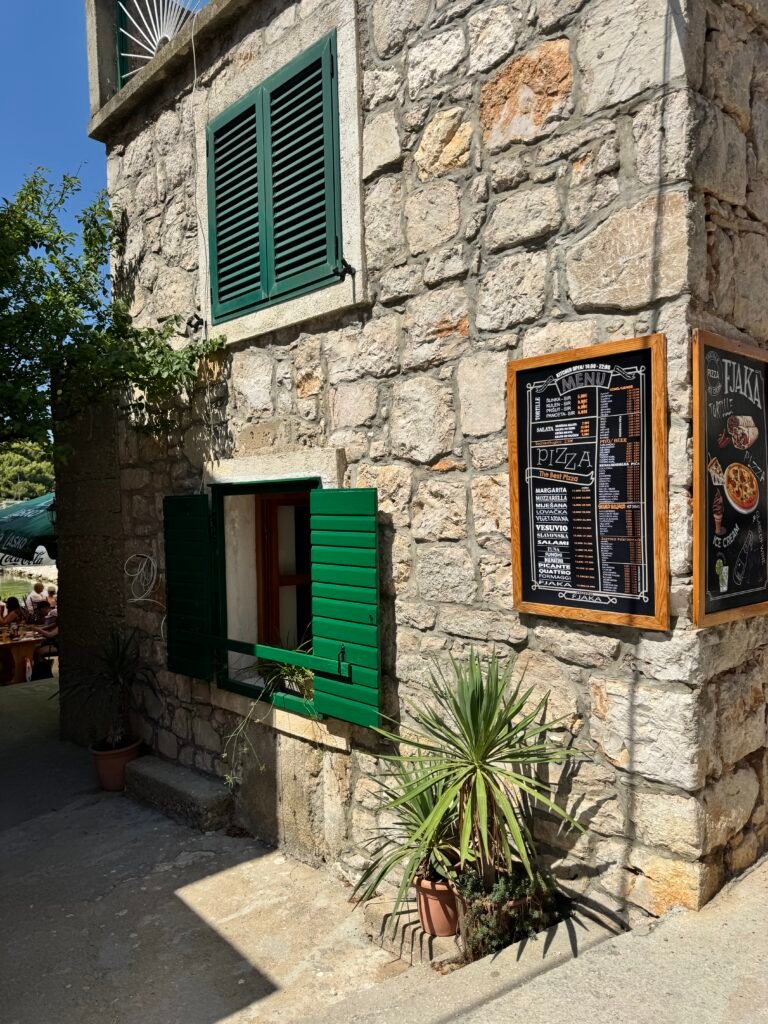
I knew I was going to Croatia. I knew I was flying into Split. I had plans involving old cities, national parks, boats, ridiculously blue water and, if everything went according to plan, an irresponsible amount of Croatian food.
What I didn’t realize was that so many of the places I was about to experience were connected by something bigger, Dalmatia. And then came perhaps the most embarrassingly obvious realization of the entire trip.
Dalmatians. The dogs.
You know, the spotted dogs we’ve all known since approximately birth?
They’re Dalmatians because of Dalmatia. How had I never questioned this?
Technically, the history is a little more nuanced than simply saying someone bred the first Dalmatian puppy here. The Fédération Cynologique Internationale officially lists Croatia as the breed’s country of origin, and its breed standard traces historical depictions and descriptions to the eastern Mediterranean, particularly the historic province of Dalmatia.
Apparently, I had spent decades knowing the name of a Croatian region without knowing I knew the name of a Croatian region. Travel has a funny way of doing that.
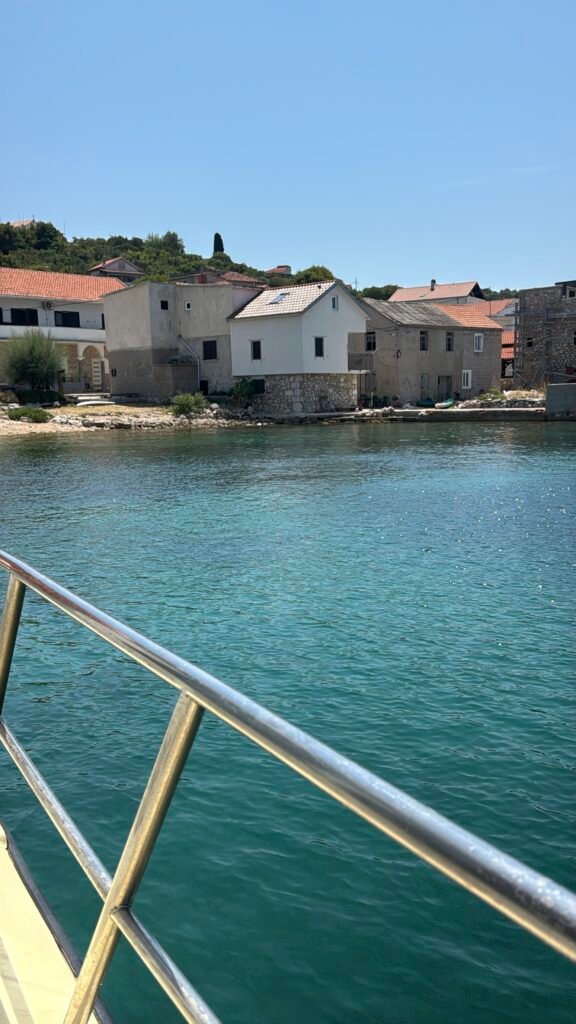
You arrive somewhere thinking you’re going to see a few beautiful places, and suddenly you’re learning how geography, food, history, language and even a dog you’ve known about your entire life are connected.
And Dalmatia ended up being one of my favorite discoveries in Croatia.
- What Is the Dalmatian Coast?
- What the Dalmatian Coast Actually Felt Like to Me
- Where to Stay on the Dalmatian Coast
- Split: Best for First-Time Visitors
- Things I Think Are Actually Worth Doing in Dalmatia
- How Long Do You Need in Dalmatia?
- When Should You Visit the Dalmatian Coast?
- So, Is the Dalmatian Coast Worth Visiting?
What Is the Dalmatian Coast?
So, let’s answer the question I didn’t even know I had before this trip.
Dalmatia is a historical region stretching along Croatia’s Adriatic coast, encompassing some of the country’s most recognizable cities, islands, mountains and national parks. Northern Dalmatia begins around the Zadar region, while farther south you’ll find places like Šibenik, Split and eventually Dubrovnik.
And that’s what surprised me most once I started exploring it. Dalmatia isn’t just beaches.
In a relatively small part of the world, I went from wandering through a Roman palace to rafting through a canyon, swimming off islands, walking beneath waterfalls and sitting in the Croatian countryside listening to sheep and cows while trying to get some work done.
That variety is what made this part of Croatia stick with me.
What the Dalmatian Coast Actually Felt Like to Me
If I had to describe Dalmatia based purely on my own experience, I wouldn’t start with a list of attractions. I’d start with contrast.
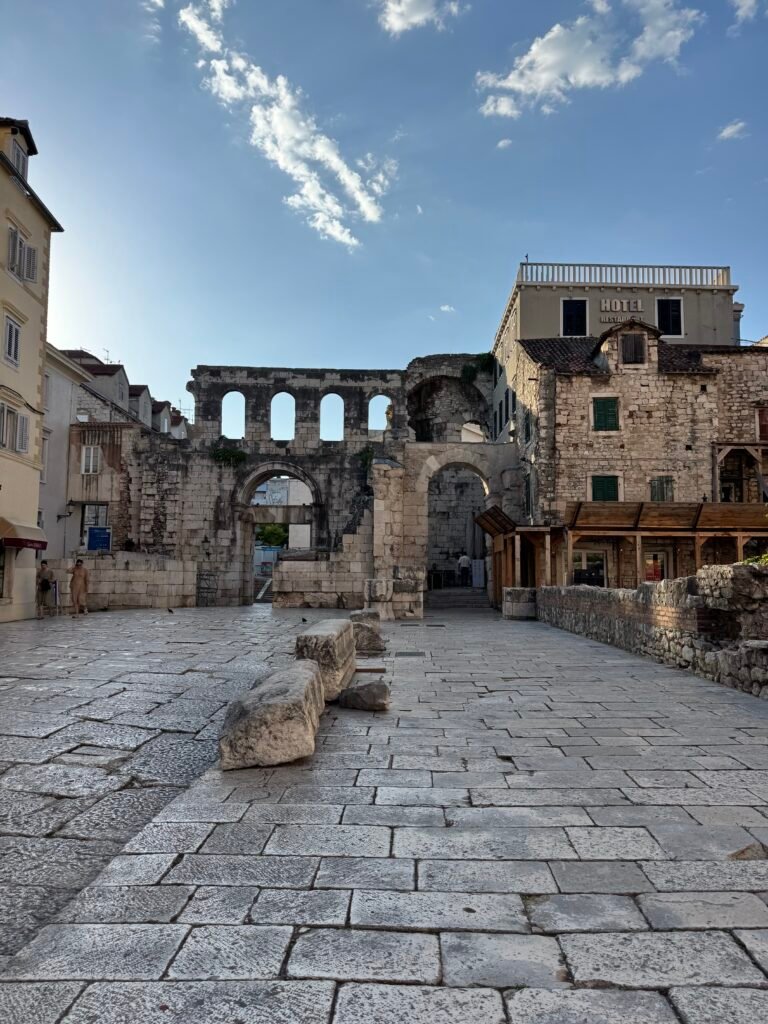
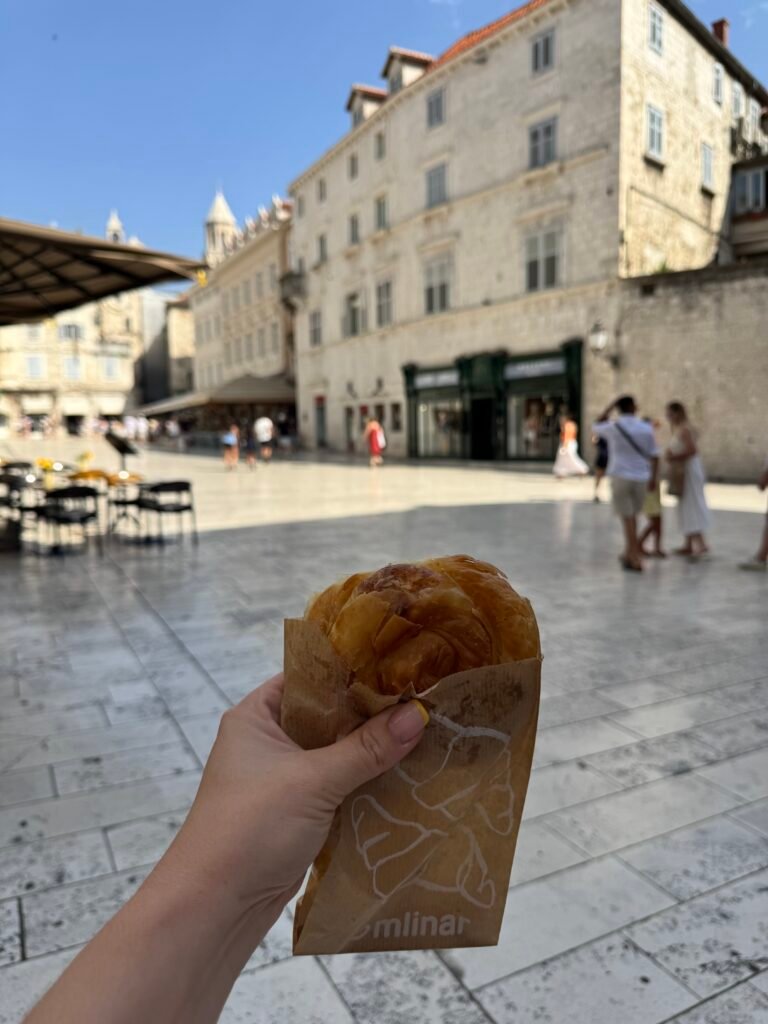
Split could be loud, crowded and completely alive. Within its Old Town, there was always another alley to wander down, another piece of history hiding around a corner, another bakery I definitely didn’t need to stop at but did anyway.
Then I left the city.
Suddenly I was sitting outside at Dazlina Resort with my laptop, hearing the occasional moo of a cow or baa of a sheep in the distance. There was stillness.
Not the kind of silence that makes you feel isolated. The kind that somehow makes you feel at home, even if home has never sounded anything like this.
And somewhere between those two versions of Croatia, I started understanding fjaka, the Dalmatian idea of slowing down and simply being instead of constantly doing.
I am not naturally gifted at this. I like plans. I like projects. I like knowing what I’m doing next event if its very loosely knowing, I NEED something to look forward to.
Where to Stay on the Dalmatian Coast
This is where I don’t want to give you a generic list of twenty Croatian towns copied from a map.
Where you stay in Dalmatia should depend entirely on what you want your trip to feel like.
Split: Best for First-Time Visitors
If this is your first trip to Dalmatia, I think Split is an excellent place to start.
I loved Split far more than I expected to.
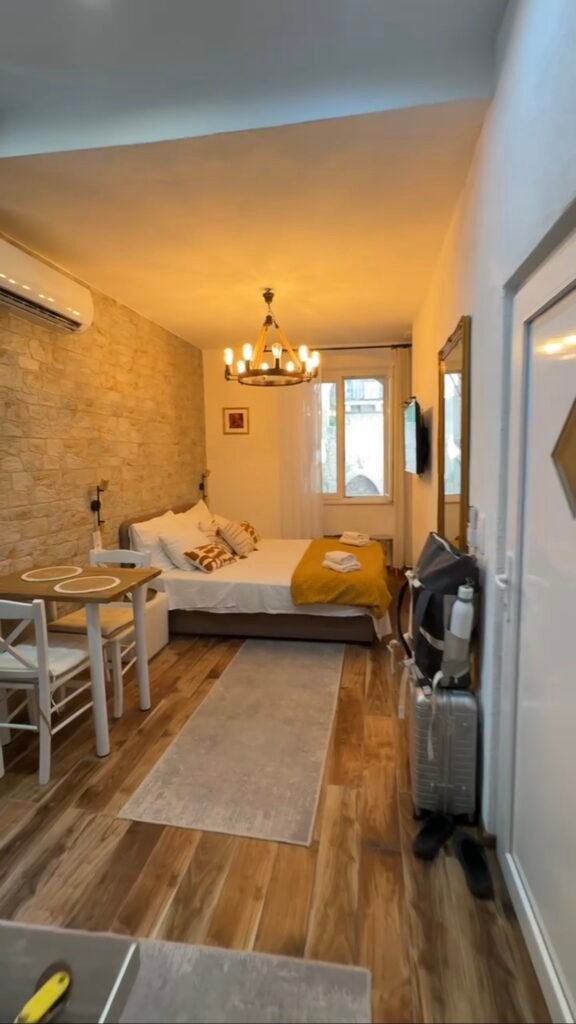
You have a major international airport nearby, ferries that can carry you farther into the islands, tons of day-trip possibilities and an Old Town where you can quite literally sleep within the walls of a Roman palace.
I personally wouldn’t dedicate an entire week to Split itself. Two or three days felt right to me.
But as a base or jumping-off point? Absolutely.
Here are my split accommodation recommendations:
Luxury hotel near Diocletian’s Palace
Budget friendly Old Town property
Great affordable Old Town property
Check out my other articles on Croatia. They may help you decide what’s best for your travel style!
Is Split Worth Visiting? My Complete Split Guide
Self-Guided Walking Tour of Split, Croatia
The Šibenik Area: Best for Slowing Down
If Split was the energetic side of Dalmatia for me, the area around Šibenik showed me the other one.
This is where I stayed at Dazlina Resort and where Croatia started feeling less like somewhere I was visiting and more like somewhere I could simply let down my guard and totally relax.
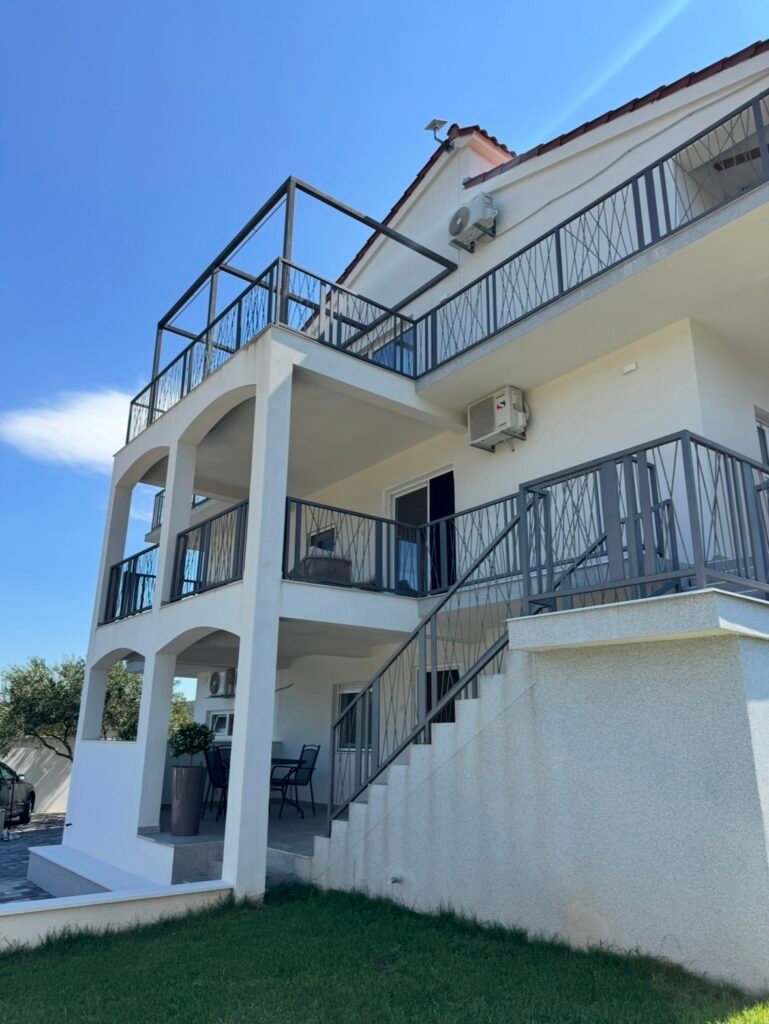
You’re also beautifully positioned for exploring places like Krka National Park, getting out on the water and visiting Šibenik itself.
Other accommodation recommendations in Šibenik:
Casa Marina Apartments (Beach Front)
Bellevue Superior City Hotel (Traditional Hotel)
The Dalmatian Islands: Best for Getting on the Water
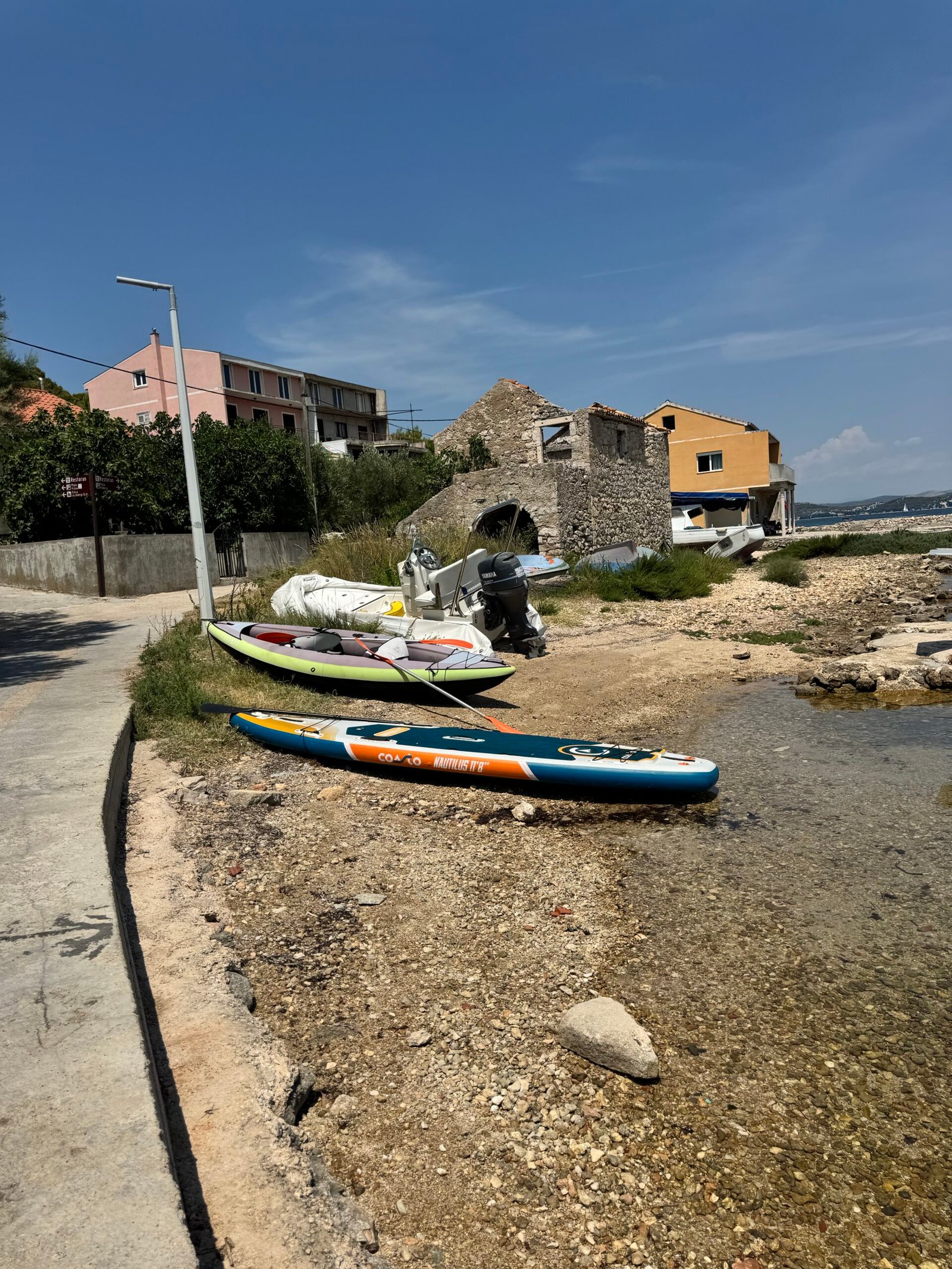
If there’s one thing I wouldn’t skip in this region, it’s getting on a boat.
There is something completely different about seeing this coastline from the Adriatic rather than standing beside it.
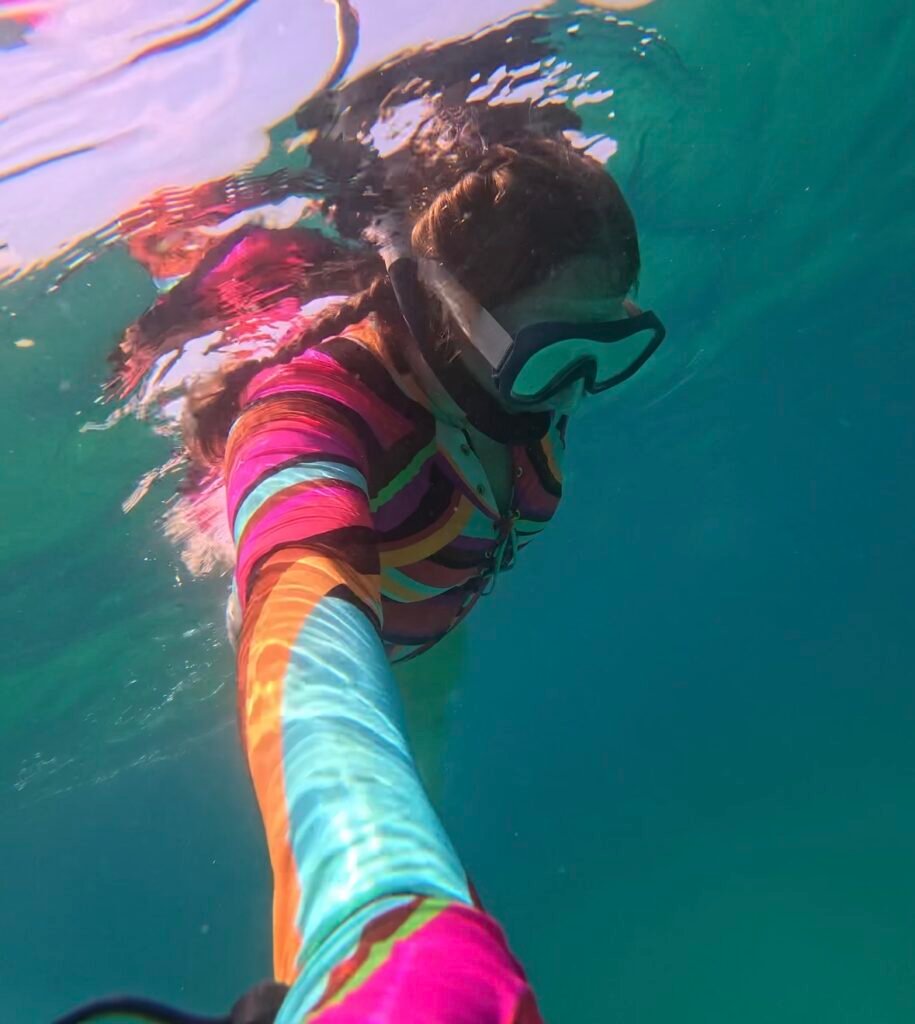
I did an island-hopping trip from Murter that involved swimming, snorkeling & an island stop for lunch with the kind of water that looks suspiciously edited even when you’re staring directly at it. I’m talking it was STUNNING.
You also have famous islands like Hvar and Brač, but there are countless smaller islands and boat trips throughout the region too.
You don’t necessarily have to relocate to an island for several nights to experience this part of Dalmatia. A day on the water can easily become one of the best days of the trip.
Things I Think Are Actually Worth Doing in Dalmatia
I’m deliberately not calling this “27 Best Things to Do on the Dalmatian Coast.” I haven’t done 27 things here. But, I have done enough to know what I would enthusiastically tell a friend not to miss.
Wander Split without rushing. Use my self-guided walking route if you want some structure, but leave room to get distracted.
Go rafting on the Cetina River. This was one of those experiences that reminded me that Croatia isn’t only about its coastline.
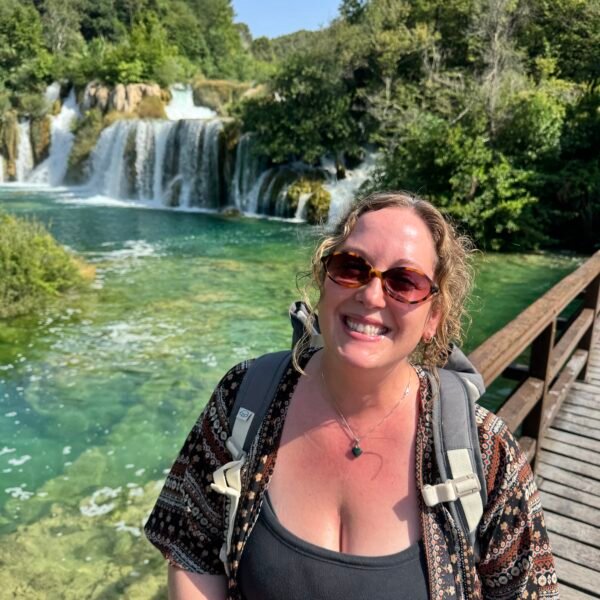
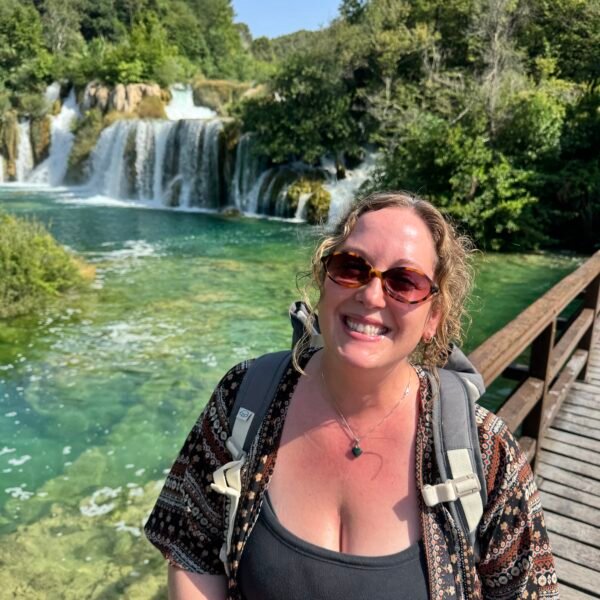
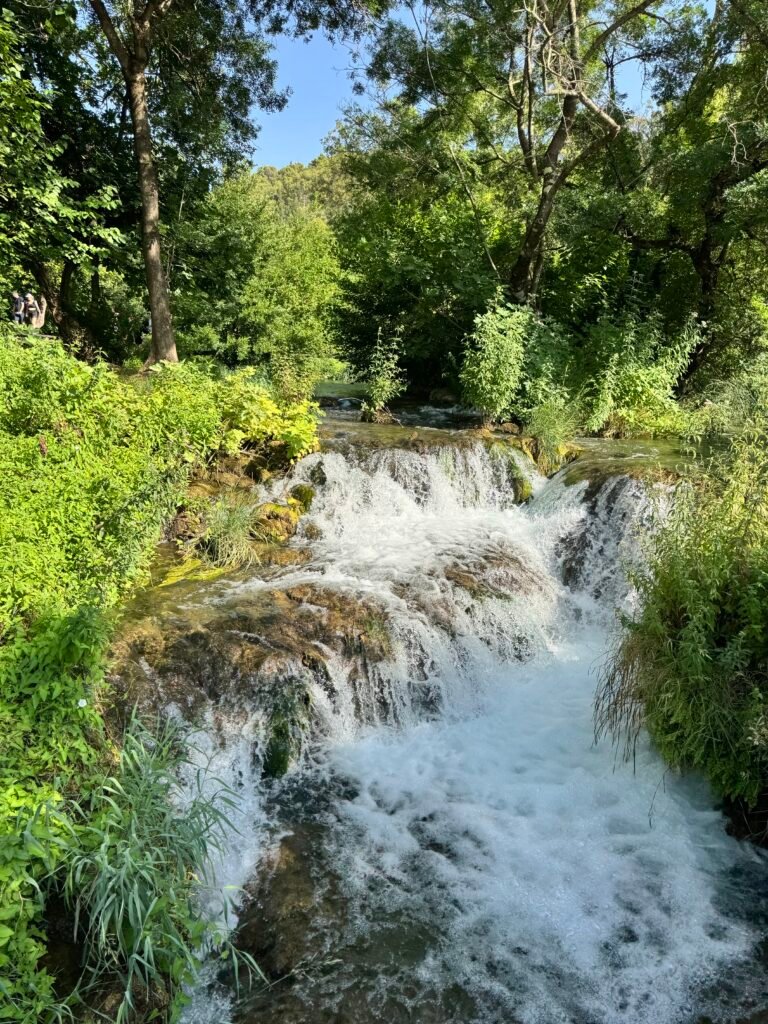
Visit Krka National Park. Yes, it’s popular. It’s popular for a reason.
Spend a day on a boat. Swim. Snorkel. Eat something. Jump back in the water.
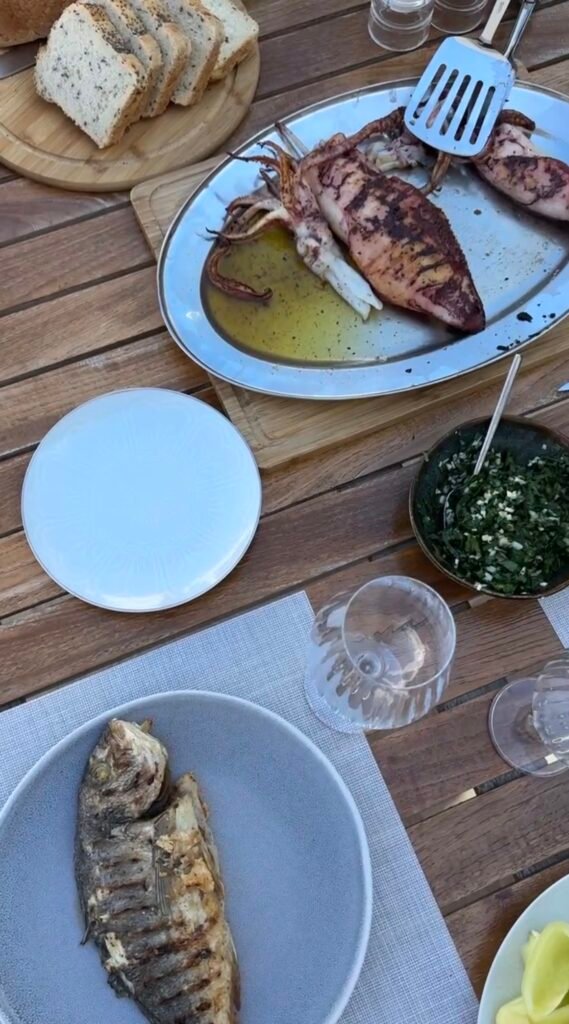
Eat the fish. Drink the wine.
And perhaps most importantly, leave some blank space in your itinerary.
I know it sounds so cheesy, but TRULY some of my favorite memories from this trip happened in the spaces where absolutely nothing important was supposed to happen.
How Long Do You Need in Dalmatia?
You could technically see some of Dalmatia’s biggest attractions in a few days. I wouldn’t.
If Split is your primary destination, three days is plenty for the city itself, especially if you’re continuing elsewhere afterward.
If you want Split plus a national park or island trip, give yourself around five days.
For a trip that actually lets you experience different sides of Dalmatia, I’d want at least a week. And if you have ten days or two weeks? You will find things to do.
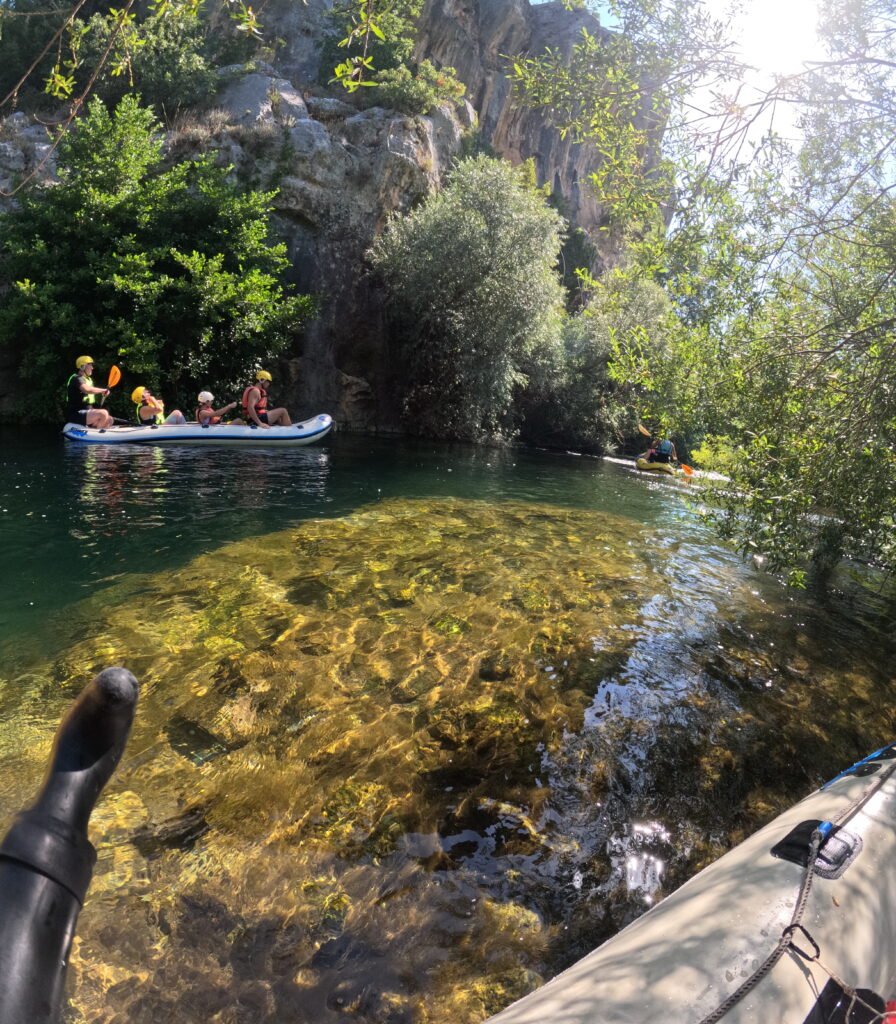
One of the things the owner of Dazlina said to me during our conversation was essentially that even two weeks wouldn’t be enough to explore everything around her. At first that sounded like something someone in tourism is supposed to say.
Then I started looking around.
Sea. Mountains. Islands. National parks. Roman ruins. Medieval cities. Tiny villages. Vineyards. Restaurants.
Okay. Fair point.
When Should You Visit the Dalmatian Coast?
Personally? Not peak summer if you can avoid it.
Croatia’s coastline is hardly a secret anymore, and places like Split and Dubrovnik can become incredibly busy during summer.
I’m a huge advocate for shoulder-season travel anyway. Give me slightly unpredictable weather and fewer people over fighting through crowds in 35°C heat any day.
Some seasonal businesses and tours may operate less frequently outside the main season, so there is a trade-off. But I’d happily make it.
Particularly if your goal is to actually slow down enough to experience the region rather than sprint through its most famous attractions.
So, Is the Dalmatian Coast Worth Visiting?
Very much so. But probably not for the reason I expected. I went to Croatia thinking about individual destinations. Split. Krka. The islands. A rafting trip…those individual pins on my itinerary became something bigger.
I started understanding a region.

Dalmatia gave me Roman walls people still live inside, freezing river water, grilled fish, local wine, waterfalls, island boats, quiet mornings and a reminder that perhaps every hour of every day doesn’t need to accomplish something
And apparently it also gave the world a spotted dog whose name I’d somehow never questioned.
I arrived without even knowing what the Dalmatian Coast was. I left already thinking about when I could come back.