Last updated: August 7, 2026
This Black Forest hiking guide breaks down the best trails, where to stay, and how to plan a trip through one of Germany’s most beautiful regions.
- Black Forest hiking guide
- Best Places to Stay for Hiking in the Black Forest
- Hotels in Freiburg
- Best hikes near Freiburg
- Best hikes near Triberg
- Best hikes near Gengenbach
- Best hikes near Feldberg
- Sample Black Forest Hiking Itinerary
- Black Forest Hiking Tips
- Weather Changes Faster Than You Think
- FAQ About Hiking in the Black Forest
- Plan Your Black Forest Hiking Trip the Right Way
The Black Forest has this way of making you feel like you’ve stepped into something familiar before you even understand why.
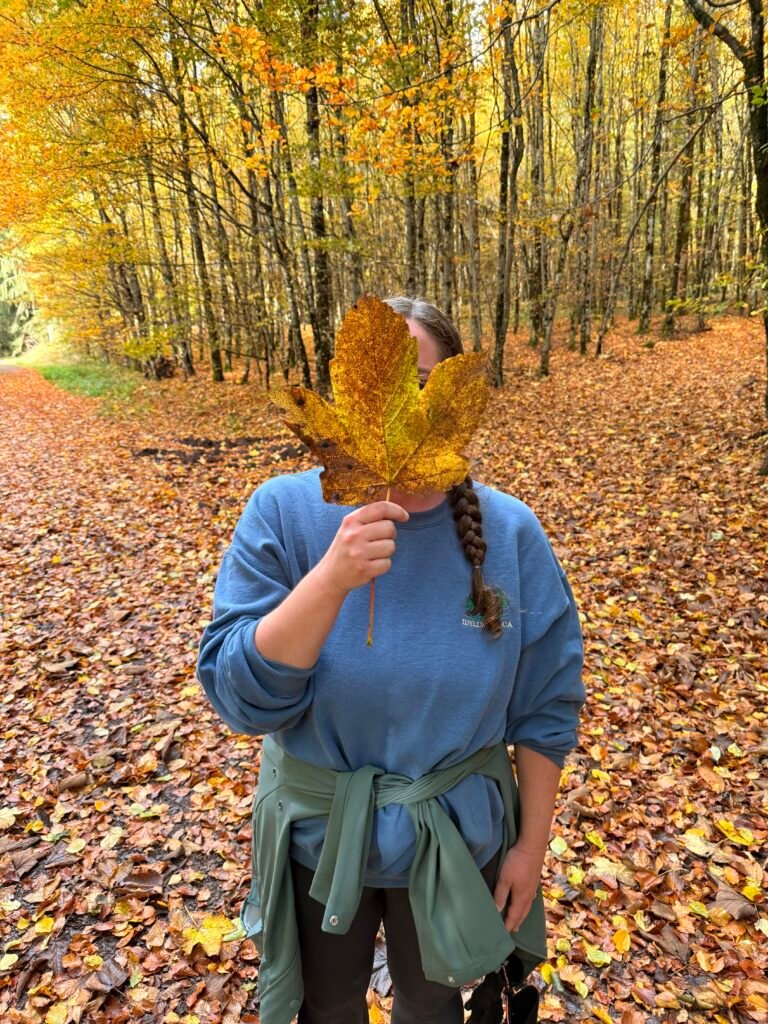
Maybe it’s because so many of us grew up surrounded by fairytales unknowingly rooted in this part of Germany. The dense forests, crooked little houses, winding paths disappearing into the trees. It all feels strangely recognizable once you’re standing in it yourself. But what surprised me most wasn’t the fairytale atmosphere. It was how alive this region feels once you start exploring it on foot.
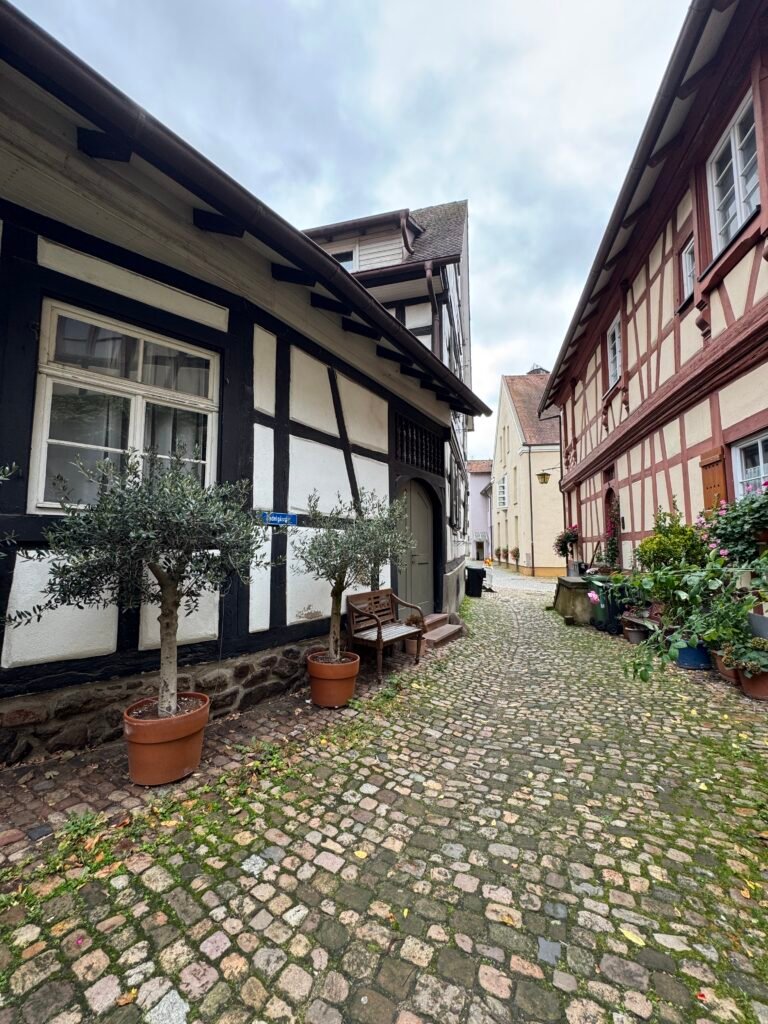
Because the Black Forest isn’t just a scenic place you drive through on the way to somewhere else. It’s a region built for slowing down. For long hiking days that turn into late dinners in tiny towns. For train rides through valleys that suddenly open into mountain views. For realizing the trail you almost skipped ends up being the part of the trip you remember most.
Living in Germany, I’ve learned that hiking here is less about chasing one famous trail and more about understanding how the region fits together. Where you stay matters. Whether you travel by train or car completely changes the experience. Some hikes are surprisingly easy to reach without a car, while others feel like they were made for slow scenic drives and early starts.
This guide breaks all of that down, where to base yourself, the best hikes in each area, how to get there, and how to plan a Black Forest hiking trip that actually flows instead of feeling rushed, disconnected or as if you are constantly in transit.
Black Forest hiking guide
One of the biggest decisions you’ll make when planning a hiking trip through the Black Forest is whether you want to explore it primarily by train or by car.
And honestly? Neither one is necessarily “better.” They just create very different types of trips.
The Black Forest is one of those rare places where public transportation actually opens up a lot more than people expect, but having a car still gives you access to a completely different side of the region. The right choice really comes down to the kind of experience you’re hoping to have.
Train vs Car – What You Should Choose
If you’re traveling by train, your trip will naturally center around the better-connected towns and hiking areas. Places like Freiburg, Triberg, and even parts of Titisee and Hinterzarten work surprisingly well without a car thanks to regional trains and buses connecting directly to trail areas.
A train-focused hiking trip might look something like this:
- Base yourself in Freiburg for a few nights
- Take day trips to Ravenna Gorge, Feldberg, or Titisee
- Continue north to Triberg for waterfalls and forest trails
- Finish in a smaller village like Gengenbach for a slower-paced ending
This style of trip works really well if you don’t want the stress of driving, prefer slower travel, enjoy scenic train rides and are okay with sticking to more accessible hiking areas.
The biggest advantage is simplicity. Germany’s regional train system is incredibly useful in this part of the country, and some trailheads are surprisingly easy to reach without ever touching a car.
That said, train travel also creates limitations. Some of the quieter hiking areas, panoramic drives, and smaller villages become much harder or simply too time consuming to reach efficiently.
That’s where having a car changes the experience completely.
A car based hiking trip gives you much more flexibility to combine scenic routes, remote trailheads, sunrise or sunset hikes, and smaller villages that aren’t directly connected by train.
A driving focused route could look more like this:
- Start in Baden-Baden and drive sections of the Schwarzwaldhochstraße
- Stay in smaller villages like Gengenbach or Schiltach
- Explore hiking areas around Feldberg and Schluchsee
- Stop at viewpoints and trails along the way rather than returning to one central base every night
This style of trip feels much more flexible and immersive, especially if hiking is your main priority.
But it also comes with tradeoffs. Mountain roads can be winding, parking in smaller villages can be limited or start to add up cost wise, and you lose some of that “sit back and watch the landscape pass by” feeling that train travel gives you.
Personally, I think the best Black Forest trips usually combine both to some degree, but I’m also a huge proponent of sitting back and allowing the train to do the work.
Use trains where they make sense, especially around Freiburg and the Southern Black Forest, and consider renting a car for a few days if you want to go deeper into the region and experience the smaller roads, villages, and trailheads that public transportation doesn’t reach as easily. However, let it be known that If you choose train over car, I do not think you are losing any of that small village charm you are craving to experience.
Best Places to Stay for Hiking in the Black Forest
Where you base yourself in the Black Forest completely changes the kind of hiking trip you end up having.
Some towns work incredibly well without a car and give you easy access to trails by train or bus, while others are much better suited for slower road-trip style travel where the drive itself becomes part of the experience. Some areas are all about mountain hiking and bigger scenery, while others lean more into waterfalls, forest walks, and fairytale villages.
The biggest mistake people make is assuming the entire Black Forest feels the same.
It doesn’t.
And honestly, that’s part of what makes this region so rewarding to explore.
Freiburg
If you’re trying to choose just one place to base yourself for a hiking focused trip, Freiburg is probably the strongest overall option.
It sits right on the edge of the Southern Black Forest, which means you get easy access to some of the region’s best hiking while still having actual city infrastructure such as restaurants, train connections, grocery stores, and enough going on that it doesn’t feel like your entire trip revolves around logistics.
Freiburg is also the easiest hiking base in the Black Forest without a car. Regional trains connect directly to hiking areas like Hinterzarten, Titisee, and Feldberg-Bärental, making day trips surprisingly simple if you plan them properly.
And honestly, after a long hiking day, there’s something nice about coming back to an actual city rather than a tiny village where everything shuts down early.
Hotels in Freiburg
Budget: Black Forest Hostel
A simple, affordable option popular with backpackers and solo travelers. Located about a 15–20 minute walk from Freiburg Hauptbahnhof or a quick tram ride away.
Mid-range: Courtyard by Marriott Freiburg
One of the most convenient options in the city, located just a few minutes from the main train station. Great if you’re planning multiple hiking day trips by train.
Luxury: Colombi Hotel
A classic luxury stay near Freiburg’s old town with a spa, elegant rooms, and a more refined atmosphere. About a 10-minute walk from the station.
Best hikes near Freiburg
Ravenna Gorge (Ravennaschlucht)
How to Get There
By train:
Use Freiburg as your base. From Freiburg Hauptbahnhof, take the Höllentalbahn regional train toward Hinterzarten. The ride takes about 30 minutes and is honestly one of the most scenic train routes in the region on its own.
From Hinterzarten station, most hikers either:
- walk toward the gorge trailhead (about 30–40 minutes depending on route)
- or take bus 7216 toward Breitnau to shorten the walk.
By car:
Driving gives you more flexibility to combine the gorge with nearby stops around Titisee or Hinterzarten.
From Freiburg, expect roughly a 35–40 minute drive.
What to Put Into Google Maps or DB Navigator
By train:
- “Hinterzarten Bahnhof”
By car:
- “Ravennaschlucht”
- “Ravenna Gorge Parking”
Most Popular Route
Most hikers combine:
- Ravenna Gorge
- the Ravenna Viaduct
- surrounding forest trails near Hinterzarten
There are several route variations ranging from shorter gorge walks to longer forest loops.
Important Things to Know
- Trails can become slippery after rain
- Wear proper shoes with grip
- Earlier mornings are much quieter
- Download routes ahead of time since service can be inconsistent in the forest
Feldberg Summit Trails
How to Get There
By train:
From Freiburg Hauptbahnhof, take the regional train toward Feldberg-Bärental Bahnhof, then connect to bus line 7300 toward Feldberg Pass or Feldberger Hof.
Train access is absolutely possible, but this is one of the places where having a car starts making a noticeable difference, especially if you want flexibility with timing or multiple trail options.
By car:
From Freiburg, the drive takes roughly 40–50 minutes depending on weather and traffic. Having a car makes this area significantly easier to explore since trailheads, viewpoints, and nearby hikes are more spread out.
What to Put Into Google Maps or DB Navigator
By train:
- “Feldberg-Bärental Bahnhof”
By car:
- “Haus der Natur Feldberg”
- “Feldberger Hof”
- “Feldberg Pass Parking”
Most Popular Route
Most hikers combine:
- Feldbergsteig Trail
- Seebuck summit area
- panoramic ridge viewpoints
- surrounding mountain forest sections
Routes can vary from shorter summit walks to full-day hikes.
Important Things to Know
- Weather changes quickly at higher elevations
- Temperatures are often much cooler than Freiburg
- Proper hiking shoes are highly recommended
- Parking fills up quickly on weekends and peak summer days
- Trails here are more physically demanding than many lower Black Forest hikes
Titisee + Hinterzarten Trails
How to Get There
By train:
Both Titisee and Hinterzarten are directly connected to Freiburg via the Höllentalbahn regional line, making this one of the easiest hiking areas in the Black Forest to explore without a car.
From Freiburg Hauptbahnhof:
- Titisee is about 35 minutes by train
- Hinterzarten is about 30 minutes by train
By car:
Driving allows you to combine lake stops, smaller villages, and nearby hiking areas more easily, especially if you’re continuing deeper into the Southern Black Forest afterward.
From Freiburg:
- expect about a 35–45 minute drive depending on where you start hiking.
What to Put Into Google Maps or DB Navigator
By train:
- “Titisee Bahnhof”
- “Hinterzarten Bahnhof”
By car:
- “Titisee Parking”
- “Hinterzarten Wanderparkplatz”
Most Popular Route
Most visitors combine:
- lakeside walking trails around Titisee
- forest trails between Titisee and Hinterzarten
- smaller scenic loop hikes surrounding the villages
This area works really well for flexible hiking days where you don’t want to feel rushed.
Important Things to Know
- This area gets busy during summer weekends
- Trails are generally easier and more beginner-friendly
- Great option for mixed hiking abilities
- Easy to combine hiking with cafés, lake stops, or slower travel days
- Excellent area for travelers relying entirely on public transportation
Triberg (Best for Waterfalls + Forest Hiking)
Triberg feels much more connected to the forest itself than Freiburg does.
This is where people come for waterfalls, dense woodland trails, and that deeper “Black Forest” atmosphere. It’s smaller, quieter, and much more nature-focused overall.
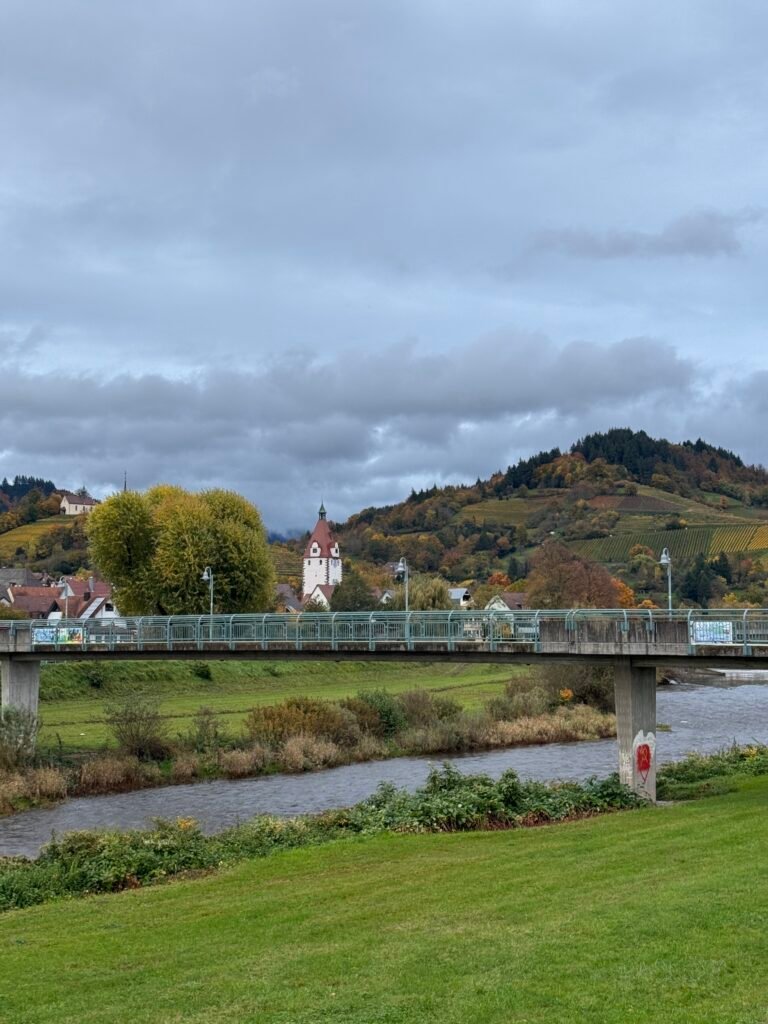
The town is reachable by train, but getting here is slower and more regional compared to Freiburg. You’ll usually connect through Offenburg before continuing deeper into the mountains. Still, once you arrive, many of the trails are accessible directly from town, which makes it surprisingly convenient if your main goal is hiking rather than bouncing between multiple destinations.
Triberg works especially well if you want a slower-paced stay where hiking is the main focus of the trip rather than something you’re squeezing in between sightseeing. It’s worth noting though that you aren’t coming here for that storybook, half-timbered houses charm, many of the other Black Forest villages have. While it has charm, it’s not that of villages like Gengenbach.

Hotels in Triberg
Budget: Gästehaus Zur Lilie
A straightforward guesthouse within walking distance of the station and waterfall area.
Mid-rangeHotel Restaurant Ketterer am Kurgarten
A traditional Black Forest-style hotel in the center of town with larger rooms and a more elevated atmosphere
Luxury: Best Western Plus Schwarzwald Residenz
Apartment-style accommodations with balconies overlooking the valley and easy access to nearby trails. Although it’s worth noting, Triberg does not have any properties of traditional “luxury” style.
Best hikes near Triberg
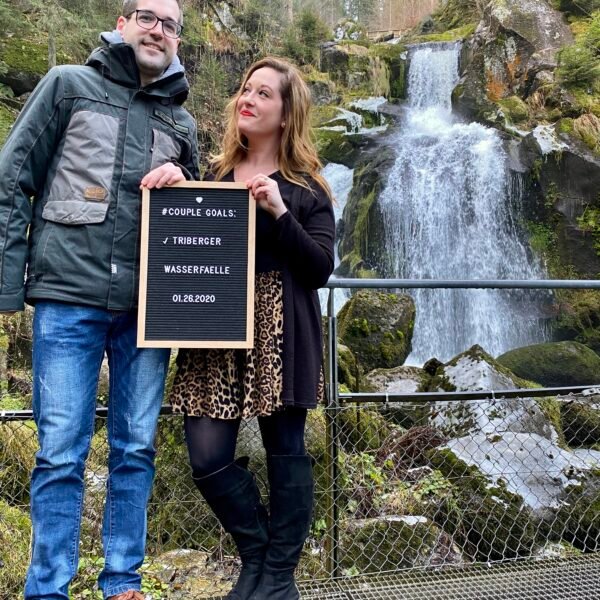
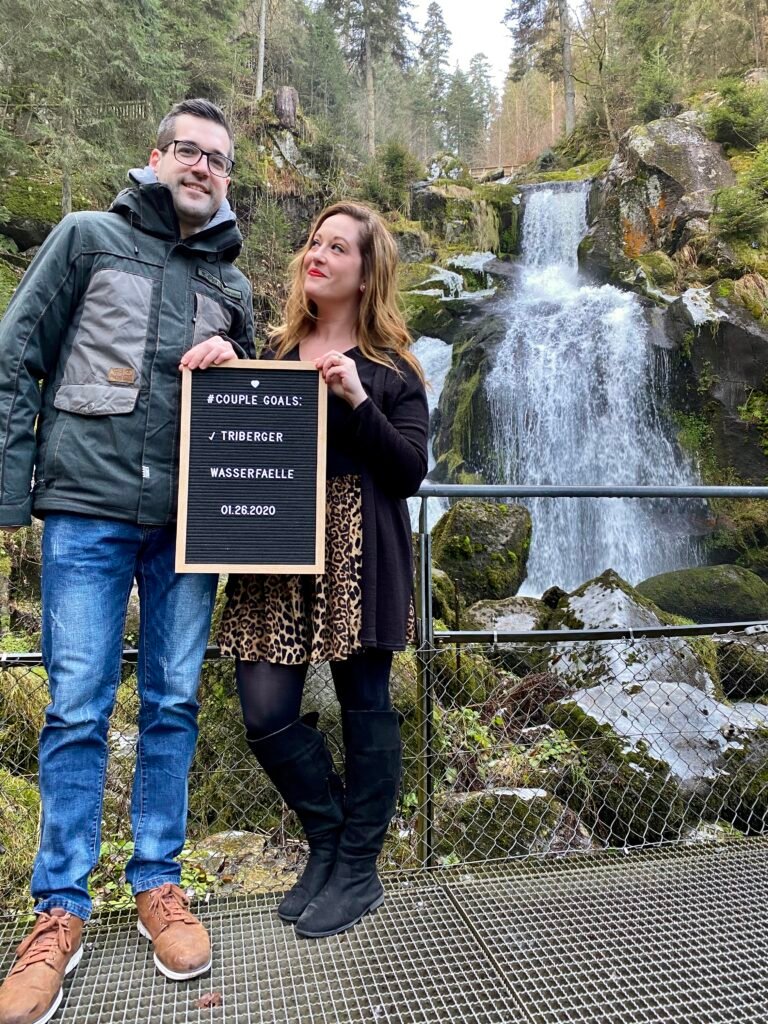
Triberg Waterfalls Trails
How to Get There
By train:
Triberg is directly connected by regional train, most commonly via Offenburg.
From Offenburg expect about 1–1.5 hours depending on connections. From Triberg Bahnhof, the waterfall entrance is about a 15–20 minute uphill walk through town.
By car:
Driving is significantly easier overall in this part of the Black Forest, especially if you want to combine Triberg with smaller villages or scenic drives afterward.
Parking is available near the waterfall entrances and throughout town.
What to Put Into Google Maps or DB Navigator
By train:
- “Triberg Bahnhof”
By car:
- “Triberger Wasserfälle”
- “Triberg Waterfalls Parking”
Most Popular Route
Most visitors combine:
- the main waterfall trail system
- forest loop trails above the falls
- surrounding woodland paths extending deeper into the valley
You can keep this as a shorter scenic walk or extend it into a much longer hiking day depending on your route.
Important Things to Know
- This is one of the busiest hiking areas in the Black Forest during peak season
- Early mornings or later afternoons are noticeably quieter
- Some paths are steep and slippery after rain
- There is an entrance fee for the waterfall area itself
- Parking fills quickly during summer weekends
Forest Loop Trails Surrounding Triberg
Once you move beyond the main waterfall area, Triberg opens into a much quieter network of forest trails that honestly feel more representative of the Black Forest itself.
These hikes are less about one dramatic viewpoint and more about the overall atmosphere. Here you will find dense woods, smaller streams, quiet paths, and long stretches where you may barely pass anyone else.
The terrain here is generally rolling rather than extremely steep, making these trails approachable for most hikers while still feeling rewarding.
How to Get There
By train:
Start from Triberg Bahnhof and walk directly into town where multiple forest trail entrances begin near the waterfall area and surrounding roads.
By car:
Having a car gives you more flexibility to access quieter trailheads outside the main town center, especially toward Schönwald and surrounding valleys.
What to Put Into Google Maps or DB Navigator
- “Triberg Bahnhof”
- “Wanderparkplatz Triberg”
- “Schönwald Wanderparkplatz”
Most Popular Route
Most hikers combine:
- sections of the waterfall trail network
- forest loops surrounding Triberg
- connecting trails toward Schönwald or nearby viewpoints
Routes here are very flexible and easy to shorten or extend depending on energy levels and weather.
Important Things to Know
- These trails are much quieter than the waterfall area itself
- Trail signage in this area is generally very good
- Cell service can become inconsistent deeper into the forest
- Great option if you want a less tourist-heavy hiking experience
Trails Toward Schönwald & Nearby Valleys
The hiking around Schönwald feels quieter, slower, and more rural compared to the busier sections around Triberg itself.
This area is made up of rolling valley landscapes, forest roads, smaller hills, and long scenic walking routes connecting villages and countryside rather than dramatic summit-style hiking.
It’s a really good option if you want:
- a calmer hiking day
- fewer crowds
- or a more traditional countryside Black Forest atmosphere.
How to Get There
By train:
The easiest approach is still arriving via Triberg Bahnhof, then using local buses or hiking directly outward into surrounding valley routes.
By car:
This area becomes much easier with a car since trailheads and smaller villages are more spread out compared to Freiburg or Titisee.
Driving also allows you to combine multiple smaller hiking areas into one day.
What to Put Into Google Maps or DB Navigator
- “Schönwald im Schwarzwald”
- “Wanderparkplatz Schönwald”
- “Triberg Bahnhof”
Most Popular Route
Most visitors combine:
- forest trails connecting Triberg and Schönwald
- valley walking routes
- countryside loop hikes surrounding smaller villages
This area is much more about atmosphere and slower hiking than chasing major viewpoints.
Important Things to Know
- Trails here are generally less crowded
- Easier terrain overall compared to Feldberg
- Better suited for slower-paced hiking days
- Public transportation exists but becomes more limited outside the main train routes
Gengenbach (Best Fairytale Hiking Base)
Gengenbach feels less like a hiking destination and more like the kind of place hiking naturally fits into.
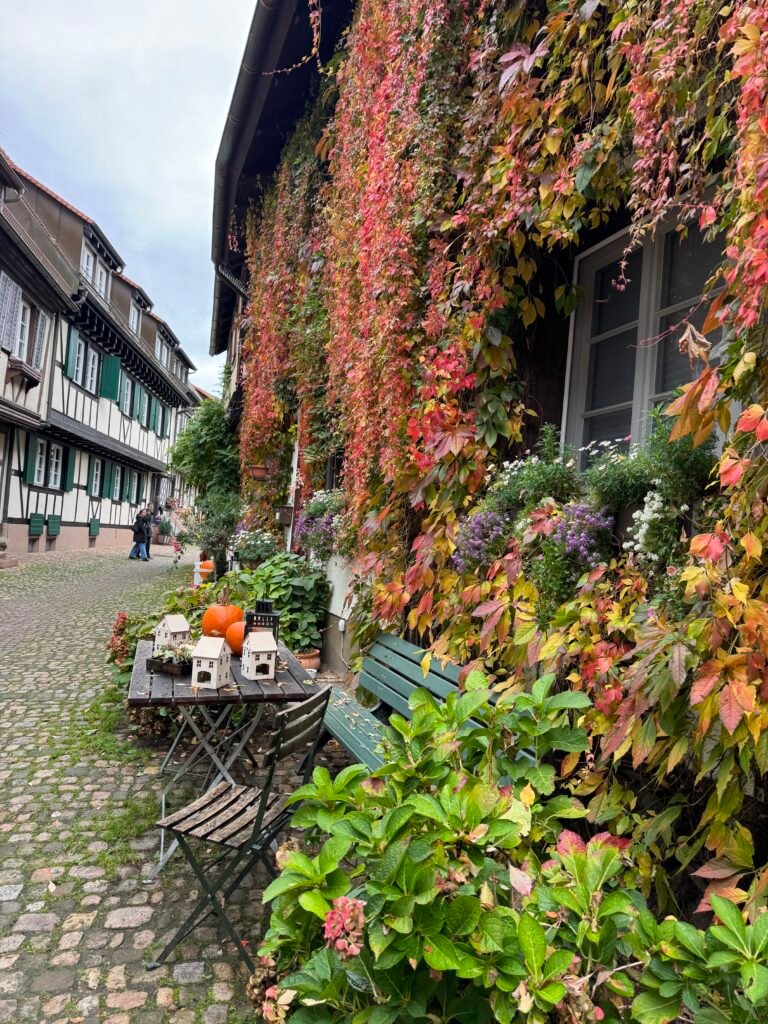
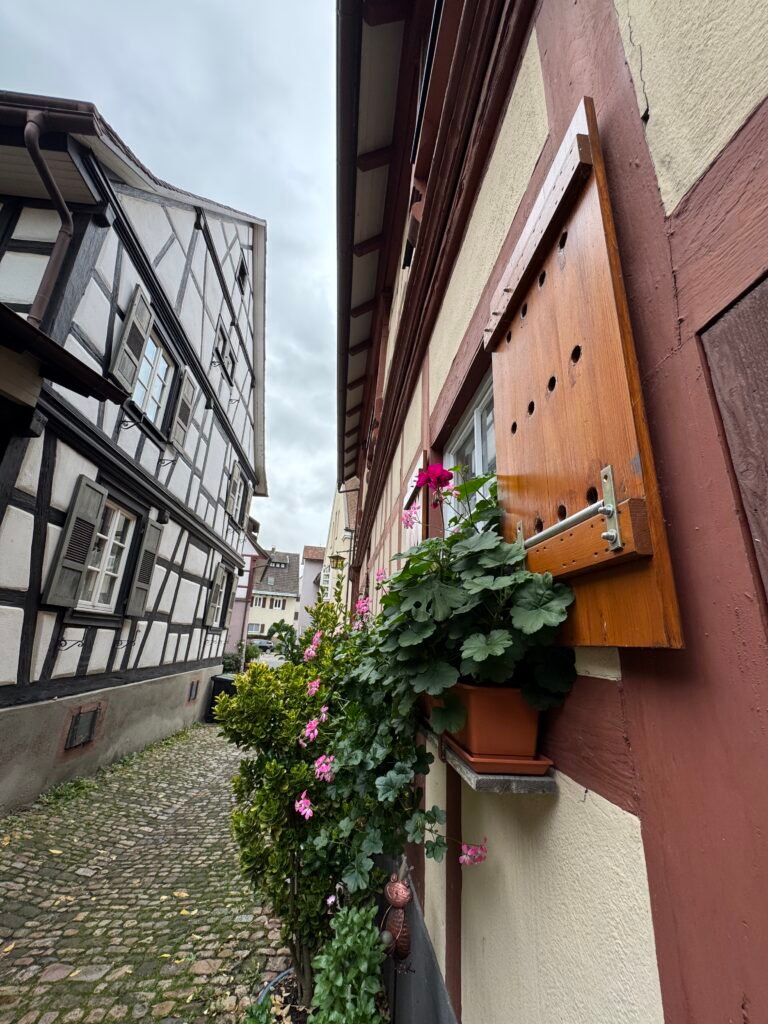
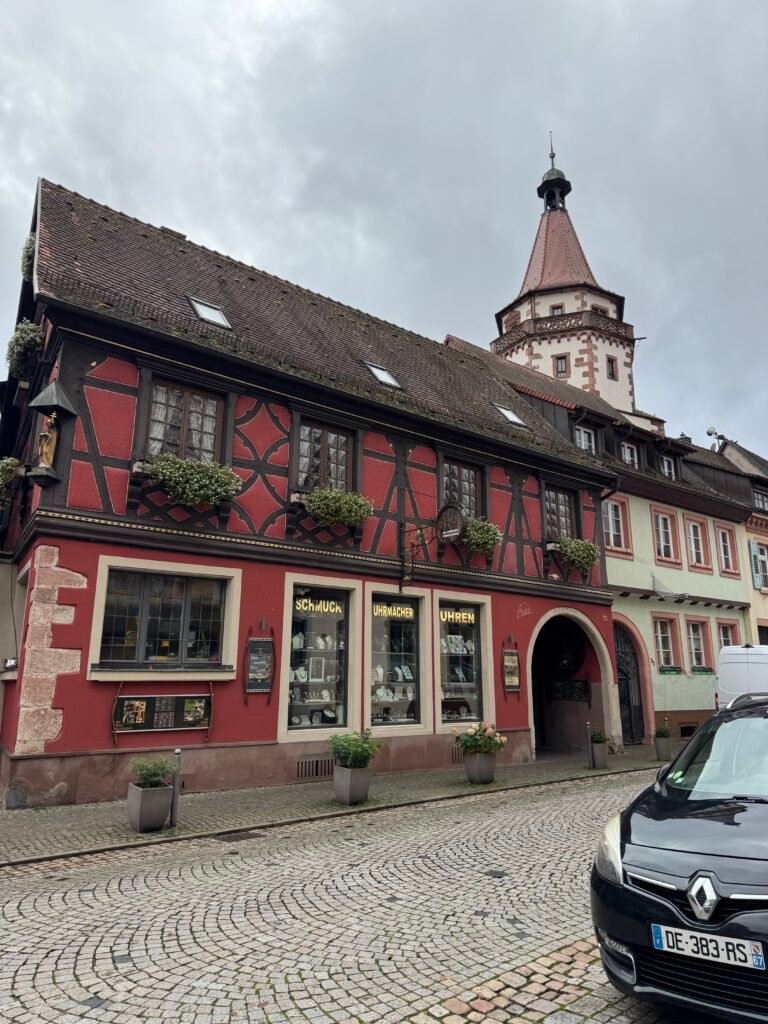
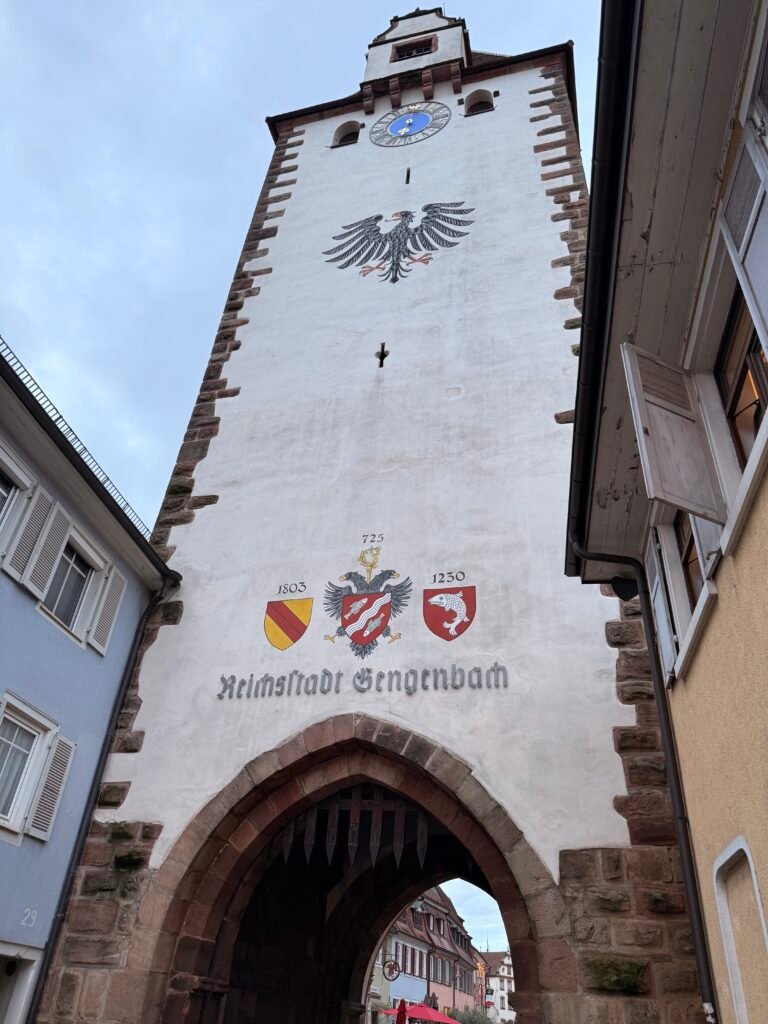
This is one of the most picturesque towns in the Black Forest, with half-timbered houses, cobblestone streets, and an atmosphere that genuinely feels pulled from a storybook. The hiking here is generally lighter and less mountain-focused than areas farther south, but that’s also part of the appeal.
You’re not necessarily coming here to conquer difficult trails, you’re coming for slower forest walks, vineyard paths, and the overall experience of staying somewhere that feels incredibly peaceful.
While Gengenbach is reachable by train via Offenburg, having a car makes a noticeable difference here. It opens up easier access to nearby villages, quieter trailheads, and scenic valley roads that are harder to reach efficiently with public transportation.
Hotels in Gengenbach
Budget: Der Gäsbühl auf Der Stadtmauer
This property feels like the kind of place you hope to find in the Black Forest. It’s simple, cozy, and incredibly well located, just steps from the cobblestone streets, half-timbered buildings, little cafés, and storybook corners that make Gengenbach feel almost too picturesque to be real.
Mid-range: Stadthotel Pfeffermühle
A cozy boutique-style hotel with a more personal feel and easy access to town and surrounding trails.
Luxury: Die Reichsstadt – Hotel Spa und Restaurant
One of the most charming stays in town, combining traditional atmosphere with a spa and upscale dining.
Best hikes near Gengenbach
Valley Trails Surrounding Gengenbach
How to Get There
By train:
Gengenbach is directly connected by regional train and is easiest to reach via Offenburg.
From Offenburg:
- expect about 30 minutes by regional train
Many trails begin directly from town, making it possible to hike here without a car.
By car:
Having a car gives you more flexibility to combine nearby villages, scenic roads, and quieter trailheads throughout the Central Black Forest..
What to Put Into Google Maps or DB Navigator
By train:
- “Gengenbach Bahnhof”
By car:
- “Gengenbach Altstadt Parking”
- “Wanderparkplatz Gengenbach”
Most Popular Route
Most visitors combine:
- valley trails surrounding Gengenbach
- forest paths above the town
- scenic vineyard routes overlooking the valley
These hikes are more relaxed and atmosphere-focused rather than destination-focused.
Important Things to Know
- Trails here are generally easier than Feldberg-area hikes
- Great area for slower-paced hiking days
- Summer afternoons can get warm in exposed vineyard sections
- Excellent option for combining hiking with smaller villages and local wine culture
Vineyard and Forest Walks
How to Get There
By train:
Most vineyard and forest walks can be started directly from Gengenbach town center after arriving via regional train.
By car:
A car makes it easier to explore surrounding villages and less crowded trail starting points outside town.
What to Put Into Google Maps or DB Navigator
- “Weinberge Gengenbach”
- “Wanderwege Gengenbach”
Most Popular Route
Most hikers combine:
- vineyard walking paths
- forest loops above town
- scenic overlooks toward the Kinzig Valley
Routes here are flexible and easy to shorten or extend depending on energy levels and weather.
Important Things to Know
- Vineyard sections can have very little shade during summer afternoons
- Trails are generally very well marked
- Ideal area for casual hikers and mixed activity days
- Great for photography, especially around sunrise or golden hour
Scenic Trails Near Schiltach
If you have a car or want to venture a little farther beyond Gengenbach, Schiltach makes a really good addition to a slower paced Central Black Forest itinerary.
The town sits about:
- 35–40 minutes from Gengenbach by car
- or roughly 40 minutes by direct regional train
And honestly, the train ride itself through the Kinzig Valley is part of the experience.
Schiltach feels quieter and more rural compared to Gengenbach, with forested hills, countryside trails, and smaller valley routes that feel much less visited than some of the better known hiking areas in the Black Forest.
This area is less about dramatic summit hikes and more about atmosphere such as slower forest walks, scenic roads, and smaller villages that still feel genuinely local.
How to Get There
By train:
Take the direct regional train from “Gengenbach Bahnhof” to:
- “Schiltach Mitte Bahnhof”
- or “Schiltach Bahnhof”
The ride takes around 35–45 minutes depending on the specific train.
By car:
From Gengenbach, expect roughly a 35–40 minute drive through scenic Central Black Forest roads.
What to Put Into Google Maps or DB Navigator
By train:
- “Schiltach Mitte Bahnhof”
- “Schiltach Bahnhof”
By car:
- “Schiltach Altstadt Parking”
- “Wanderparkplatz Schiltach”
Important Things to Know
- Much quieter than Freiburg or Triberg
- Better suited for slower hiking days
- Very easy to combine with a scenic driving route through the Central Black Forest
- Public transportation is possible, but a car gives you much more flexibility in this area
Feldberg Area (Best for Serious Mountain Hiking)
If your priority is bigger mountain scenery and more serious hiking, the Feldberg area is where you want to focus.
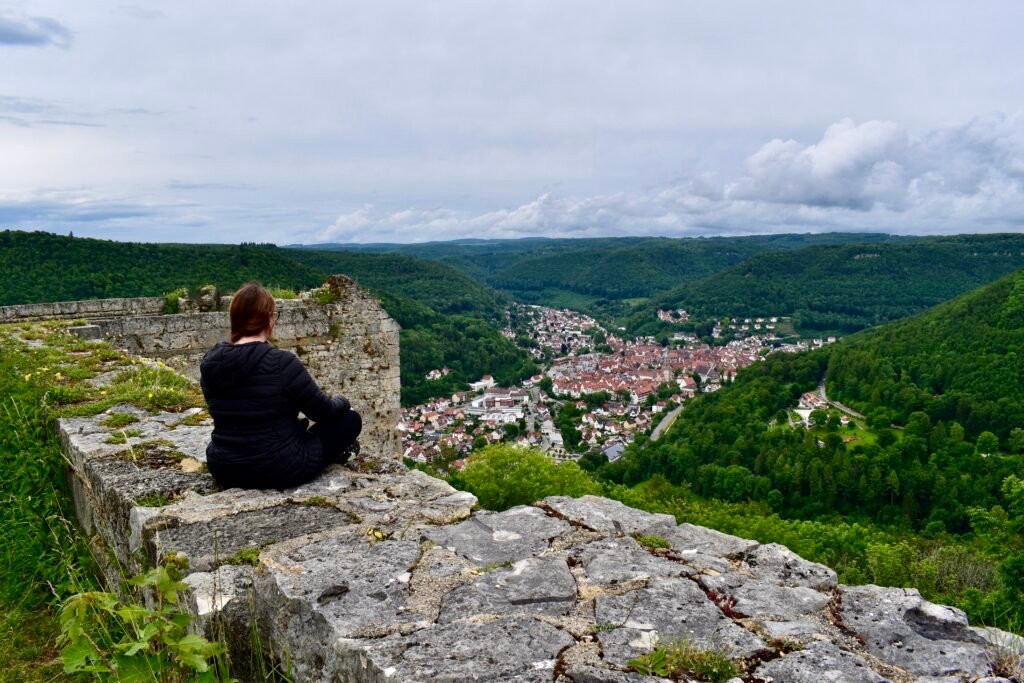
This part of the Southern Black Forest feels noticeably more alpine than the rest of the region. Trails are steeper, views open up dramatically, and the overall hiking experience feels much more mountain focused compared to the gentler forest trails farther north.
Hotels Near Feldberg
Budget: Hotel Waldeck Mit Restaurant “Florian’S”
A simple mountain-style stay with easy access to hiking routes and scenic roads.
Mid-range: Hotel Schlehdorn
A cozy wellness-focused hotel popular with hikers and outdoor travelers.
Luxury (Better for Couples or Adults): Hotel Thomahof
A quieter, wellness-focused stay in nearby Hinterzarten with a more traditional upscale Black Forest atmosphere. Better suited for couples or adults looking for a calmer hiking base surrounded by nature.
Best hikes near Feldberg
Feldbergsteig Trail
If you’re looking for the most classic “mountain hiking” experience in the Black Forest, the Feldbergsteig Trail is probably it.
How to Get There
By train:
From Freiburg Hauptbahnhof, take the regional train to “Feldberg-Bärental Bahnhof,” then connect to bus line 7300 toward Feldberg Pass or Feldberger Hof.
Public transportation works, but this is one of the areas where having a car makes a very noticeable difference, especially if you want flexibility with trailheads or weather conditions.
By car:
From Freiburg, expect roughly a 40–50 minute drive depending on traffic and weather. This is honestly one of the easiest and most flexible ways to explore the Feldberg area.
What to Put Into Google Maps or DB Navigator
By train:
- “Feldberg-Bärental Bahnhof”
By car:
- “Haus der Natur Feldberg”
- “Feldbergsteig”
- “Feldberg Pass Parking”
Most Popular Route
Most hikers combine:
- Feldbergsteig Trail
- Seebuck summit area
- panoramic ridgeline sections
- mountain forest trails surrounding Feldberg
The full loop usually takes several hours depending on pace and stops.
Important Things to Know
- Weather changes quickly at this elevation
- Trails can become windy and exposed near ridgelines
- Proper hiking shoes are highly recommended
- Parking fills quickly during weekends and summer months
- Bring layers even during warmer months since temperatures are noticeably cooler than Freiburg
Seebuck Summit Trails
How to Get There
By train:
Take the train from Freiburg to “Feldberg-Bärental Bahnhof,” then continue via local bus toward Feldberg.
By car:
Driving is much easier overall here, especially if you want flexibility to stop at viewpoints or combine multiple nearby trails.
From Freiburg, roughly 45 minutes depending on conditions.
What to Put Into Google Maps or DB Navigator
By train:
- “Feldberg-Bärental Bahnhof”
By car:
- “Seebuck Parkplatz”
- “Haus der Natur Feldberg”
Most Popular Route
Most hikers combine:
- Seebuck summit trails
- Feldberg viewpoints
- surrounding ridge paths and observation areas
Routes here can easily be adapted depending on energy level and weather.
Important Things to Know
- Some sections are exposed with very little shade
- Weather can shift quickly at higher elevations
- Easier overall than some full Feldbergsteig routes
- Excellent area for panoramic photography and sunrise/sunset hikes
Alpine-Style Ridge Hikes + Panoramic Routes
How to Get There
By train:
Most routes begin by reaching:
- “Feldberg-Bärental Bahnhof”
then connecting onward by local bus or short hikes to trail access points.
By car:
This area is significantly easier by car since trailheads are spread out and parking areas are located throughout the mountain region.
What to Put Into Google Maps or DB Navigator
- “Feldberg Pass Parking”
- “Haus der Natur Feldberg”
- “Seebuck Parkplatz”
Most Popular Route
Most hikers combine:
- ridge trails around Feldberg
- Seebuck viewpoints
- alpine meadow sections
- connecting panoramic routes throughout the Southern Black Forest
This area works especially well for full hiking days where the goal is scenery rather than rushing between destinations.
Important Things to Know
- Conditions can change quickly in the mountains
- Strong sun exposure is common on open ridge sections
- Bring more water than you think you’ll need
- Some trails may still have snow or muddy sections in late spring depending on weather conditions
H3: Schluchsee (Best for Lake & Nature Hiking)
Schluchsee offers a completely different kind of hiking experience compared to the more mountain-focused areas of the Black Forest. The atmosphere here is calmer, more open, and centered around the lake itself. Hiking tends to feel less intense and more scenic, forest paths, lakeside trails, and rolling terrain rather than steep climbs and dramatic elevation changes.
Schluchsee is technically reachable by train, but like many lake and mountain areas in the Black Forest, it becomes significantly easier and more flexible with a car. Having one allows you to combine nearby hiking areas, smaller villages, and scenic stops much more naturally.
Hotels in Schluchsee
Budget: Pension Tannenheim
A smaller guesthouse-style stay within walking distance of the lake and nearby trails.
Mid-range: Hotel Schiff am Schluchsee
A comfortable lakeside hotel with easy access to hiking routes and the town center.
Luxury: Vier Jahreszeiten am Schluchsee
A larger wellness resort-style hotel with spa facilities and direct access to the surrounding nature.
Best hikes near Schluchsee
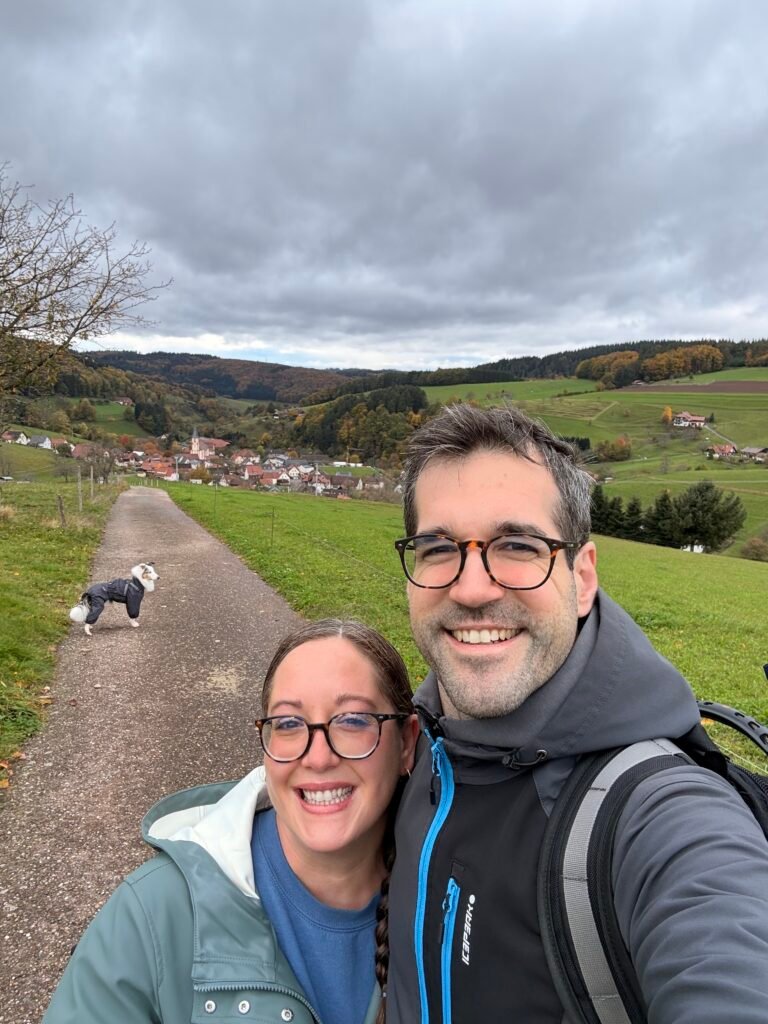
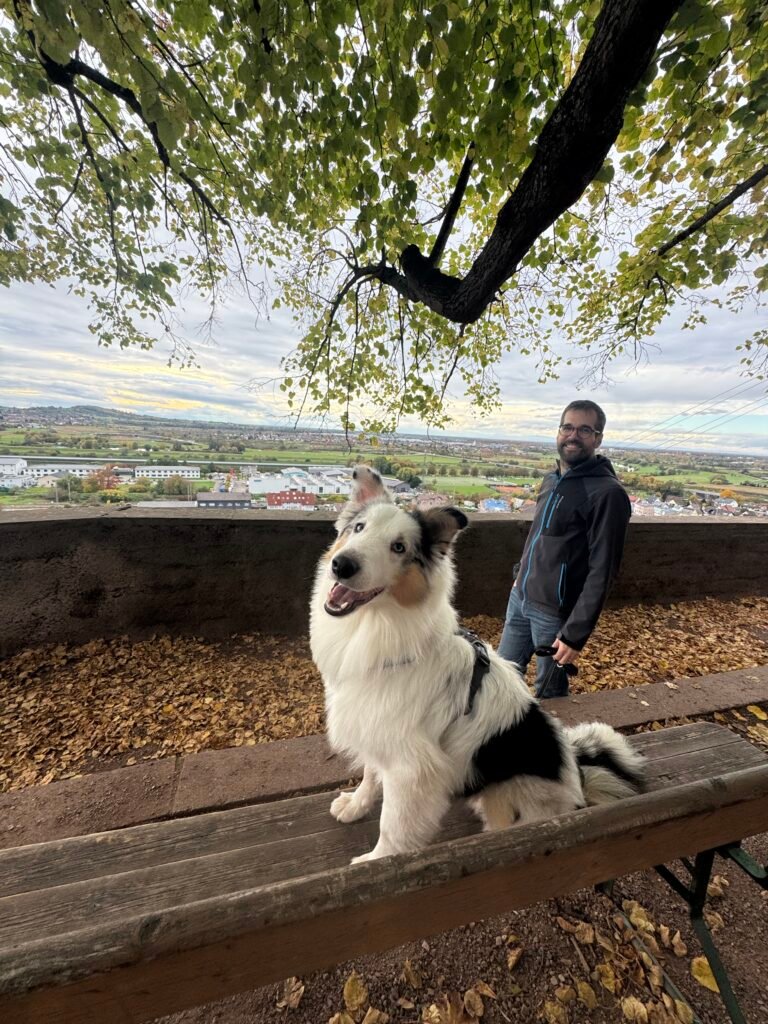
The hiking around Schluchsee feels calmer and more relaxed compared to the more mountain-focused hikes around Feldberg.
Forest Trails Toward St. Blasien
How to Get There
By train:
Public transportation becomes more limited in this area compared to Freiburg or Titisee.
Most routes start by reaching Schluchsee via train, then continuing by regional bus toward St. Blasien or nearby trail access points.
By car:
This area is significantly easier with a car since trailheads and smaller villages are spread out throughout the Southern Black Forest.
From Schluchsee, expect about a 20–30 minute drive depending on route.
What to Put Into Google Maps or DB Navigator
By train:
- “Schluchsee Bahnhof”
- “St. Blasien Busbahnhof”
By car:
- “Dom St. Blasien”
- “Wanderparkplatz St. Blasien”
Most Popular Route
Most hikers combine:
- forest trails connecting smaller villages
- woodland loop hikes
- scenic countryside routes surrounding St. Blasien
This area works especially well for slower-paced hiking days focused more on atmosphere than dramatic viewpoints.
Important Things to Know
- Public transportation is more limited here
- Cell service can become inconsistent in deeper forest sections
- Excellent area for quieter hiking away from crowds
- Better suited for travelers with a car
Lakeside + Ridge Hiking Routes Around the Southern Black Forest
How to Get There
By train:
Most routes begin from:
- Freiburg
- Titisee
- Hinterzarten
- or Schluchsee.
By car:
This is honestly where having a car makes the biggest difference in the Black Forest.
Scenic roads, flexible trail access, smaller villages, and easier movement between lake and ridge areas all become much more manageable.
What to Put Into Google Maps
- “Haus der Natur Feldberg”
- “Feldberg Pass Parking”
Most Popular Route
Most travelers combine:
- lake trails around Titisee or Schluchsee
- Feldberg ridge hikes
- scenic roads throughout the Southern Black Forest
- smaller villages and viewpoints along the way
This style of hiking works especially well for multi-day trips where the goal is experiencing the region slowly rather than focusing on a single destination.
Important Things to Know
- Southern Black Forest weather changes quickly at higher elevations
- Roads can become slow and winding in mountain areas
- Summer weekends get noticeably busier around the lakes
- This region works best when you leave flexibility in your schedule rather than overplanning every stop
Sample Black Forest Hiking Itinerary
Day 1 – Arrive in Freiburg
- Explore Freiburg’s old town
- Stay overnight in Freiburg
Day 2 – Ravenna Gorge & Titisee Area
- Train from Freiburg to Hinterzarten
- Hike Ravenna Gorge
- Explore Titisee area
- Return to Freiburg
Day 3 – Pick Up Rental Car & Feldberg Area
- Pick up rental car in Freiburg
- Drive into the Southern Black Forest
- Hike around Feldberg and nearby mountain trails
- Stay overnight near Feldberg, Titisee, or Schluchsee
Day 4 – Triberg + Central Black Forest
- Drive north through scenic Black Forest roads
- Explore Triberg Waterfalls
- Stop in villages like Gengenbach or Schiltach
- Overnight in the Central Black Forest
Optional Day 5 – Return to Freiburg
- Scenic drive back toward Freiburg
- Return rental car in Freiburg
- Continue onward by train or extend your stay
Black Forest Hiking Tips
The Black Forest is a very approachable hiking destination overall, but there are a few things that are helpful to know before you hit the trails, especially if you’re not used to hiking in Germany.
Weather Changes Faster Than You Think
One of the biggest surprises for people hiking in the Black Forest is how quickly the weather can shift, especially in higher elevation areas like Feldberg.
You can start the morning in sunshine and end up in fog, wind, or rain a few hours later without much warning. Even during summer, temperatures in the mountains can feel noticeably cooler than in nearby cities.
Layers are your best friend here. I’d rather carry an extra jacket I don’t use than be halfway through a hike wishing I had one.
German Trail Markings Are Actually Very Good
Compared to a lot of places, hiking trails in Germany are generally very well marked.
You’ll usually see painted trail symbols, directional signs, hiking times between points, and route markers throughout the forest. That said, don’t rely entirely on having phone service everywhere, especially in more remote areas.
Apps like Komoot or AllTrails are incredibly useful for downloading trails ahead of time.
Proper Shoes Matter More Than You Think
A lot of Black Forest hikes look easy online because the terrain is so green and peaceful looking, but trails can get surprisingly muddy, rocky, and slippery, especially around waterfalls, gorges, and after rain.
You don’t necessarily need heavy hiking boots for every trail, but good shoes with grip make a huge difference here.
Especially if you plan on hiking places like Ravenna Gorge or higher elevation routes around Feldberg.
Start Earlier Than You Think
This isn’t really about beating crowds as much as it is about giving yourself flexibility.
One of the nicest parts of hiking in the Black Forest is slowing down and stopping in small villages, chilling with a snack at viewpoints and sitting by a lake longer than planned. If you start too late, the day starts feeling rushed very quickly, especially if you’re relying on trains or buses. And in smaller towns, things do close earlier than many travelers expect.
The best hiking days here usually aren’t the ones where you cram in the most, they’re the ones where you leave enough room to actually enjoy where you are.
FAQ About Hiking in the Black Forest
Do you need a car to hike in the Black Forest?
No, you can absolutely explore parts of the Black Forest without a car, especially around Freiburg, Hinterzarten, Titisee, and Triberg where regional train connections work surprisingly well. That said, having a car gives you access to quieter trailheads, smaller villages, and much more flexibility overall.
What is the best base for hiking in the Black Forest?
Freiburg is probably the best overall base, especially for first timers. It’s well connected by train, has easy access to several hiking areas, and still feels like an actual city rather than a tiny mountain village.
If you want something quieter and more nature-focused, areas around Feldberg, Schluchsee or Gengenbach are also excellent.
When is the best time to go hiking in the Black Forest?
Late spring through early fall is generally the best time for hiking. Summer had the warmest temperatures and longest days, while autumn brings cooler weather and beautiful forest colors.
Personally, I think early fall is one of the most underrated times to visit. Fewer crowds, cooler hiking temperatures, and the whole region starts feeling even moodier in the best possible way.
Is the Black Forest beginner-friendly for hiking?
Yes. One of the best things about the Black Forest is the variety of trails available. You’ll find everything from relaxed lakeside walks and forest paths to longer mountain hikes around Feldberg. Sometimes the word “hike” is used very loosely.
You definitely don’t need to be an experienced hiker to enjoy this region.
How many days do you need for a Black Forest hiking trip?
I’d recommend at least 4–6 days if hiking is your main focus. The region is much bigger than people expect, and trying to rush through it usually means spending more time in transit than actually enjoying the trails.
Plan Your Black Forest Hiking Trip the Right Way
The Black Forest looks simple when you first start planning it.
A few mountain towns, some hiking trails, maybe a scenic drive or two. But once you actually start putting the pieces together like where to stay, how to get around, which areas make sense together, it becomes very easy to waste time backtracking or trying to fit too much into one trip.
And honestly, that’s usually where people get frustrated with the Black Forest.
Not because it isn’t beautiful, but because this region works best when the logistics flow naturally.
I live in Germany, and this is exactly the kind of trip I help people plan, balancing train travel, scenic routes, hiking areas, and hotels in a way that actually makes sense for how you want to travel.
Because the goal isn’t just to hike the Black Forest. It’s to experience it without constantly feeling like you’re figuring things out as you go or in transit. Click here to learn more about working with me to plan your trips to the Black Forest.