Last updated: August 7, 2026
Germany is one of the most misunderstood destinations in Europe and this Germany travel guide is here to change that. If you’re planning a trip to Germany, you’re probably expecting beer halls, pretzels, and maybe Oktoberfest. And sure, that exists. But what most people don’t realize is how diverse, scenic, and surprisingly easy Germany can be to travel when you understand how it actually works.
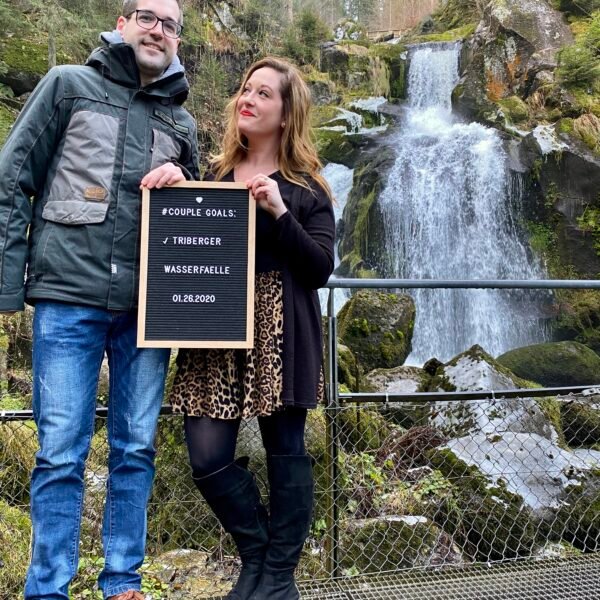
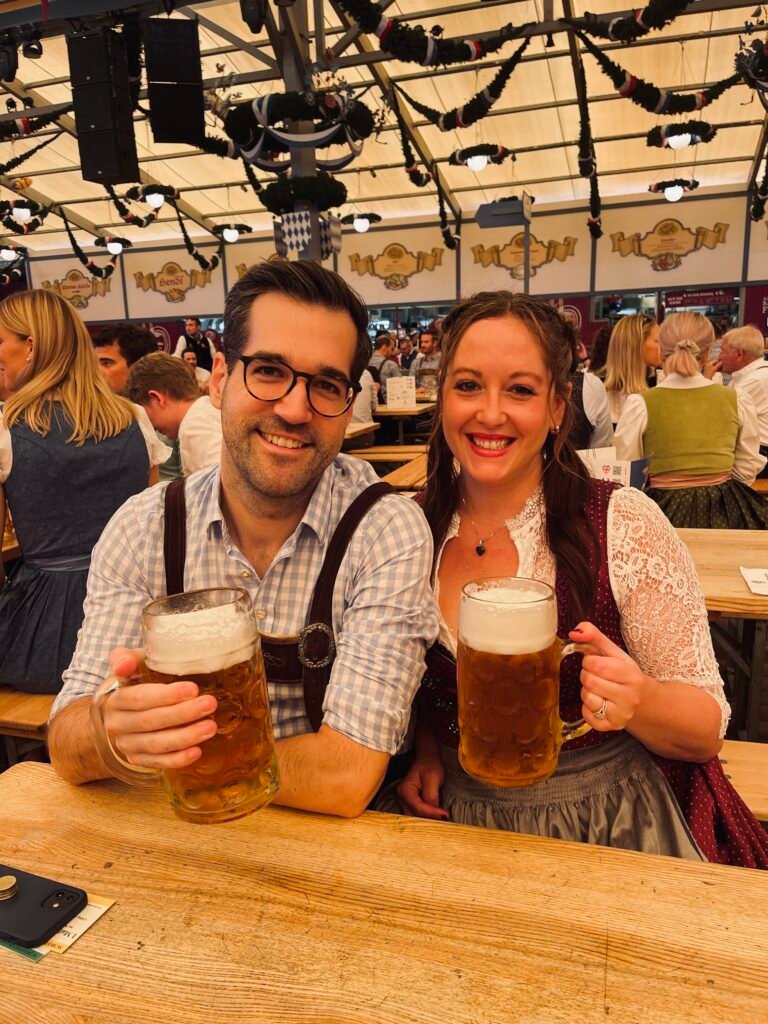
I don’t just pass through here as a traveler. I live here. I’ve experienced it beyond the highlight reel, beyond the postcards, beyond Oktoberfest clichés. And one thing I’ve learned? Germany is wildly misunderstood.
Germans often get labeled as stiff, rude, or unapproachable. I’m not here to feed into that narrative, because it’s simply not true. What you’ll actually find are people who are direct, yes, but also incredibly kind, helpful, and patient… even when you’re fumbling your way through truly terrible German (trust me, I’ve been there and still am).
And then there’s the country itself.
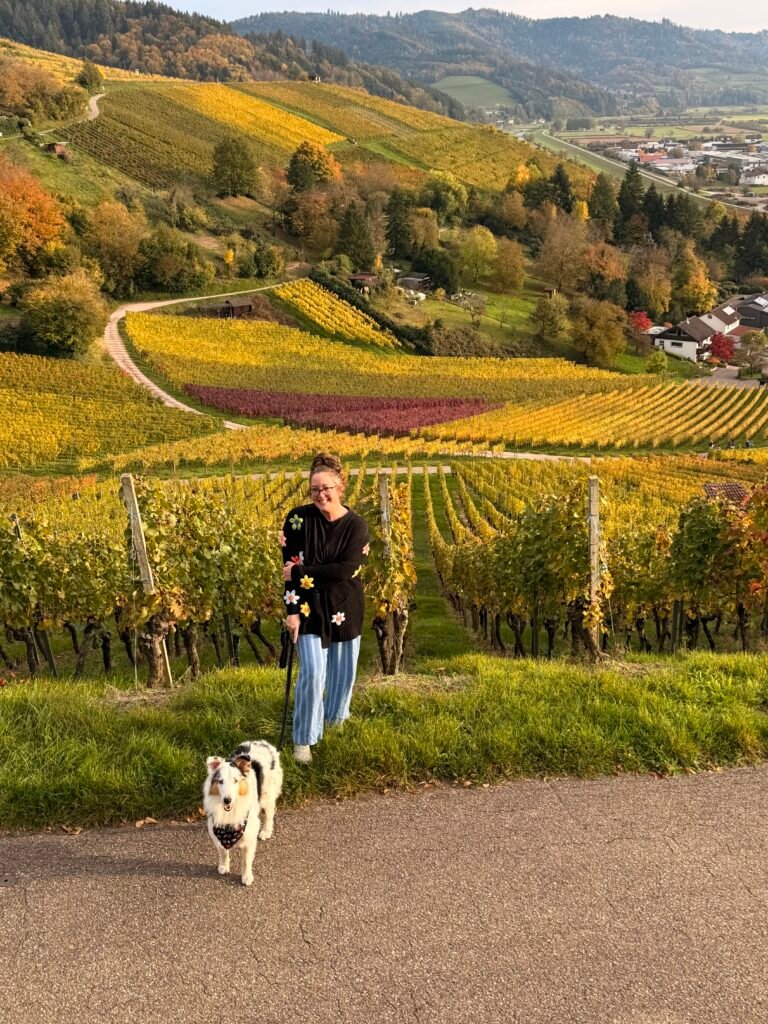
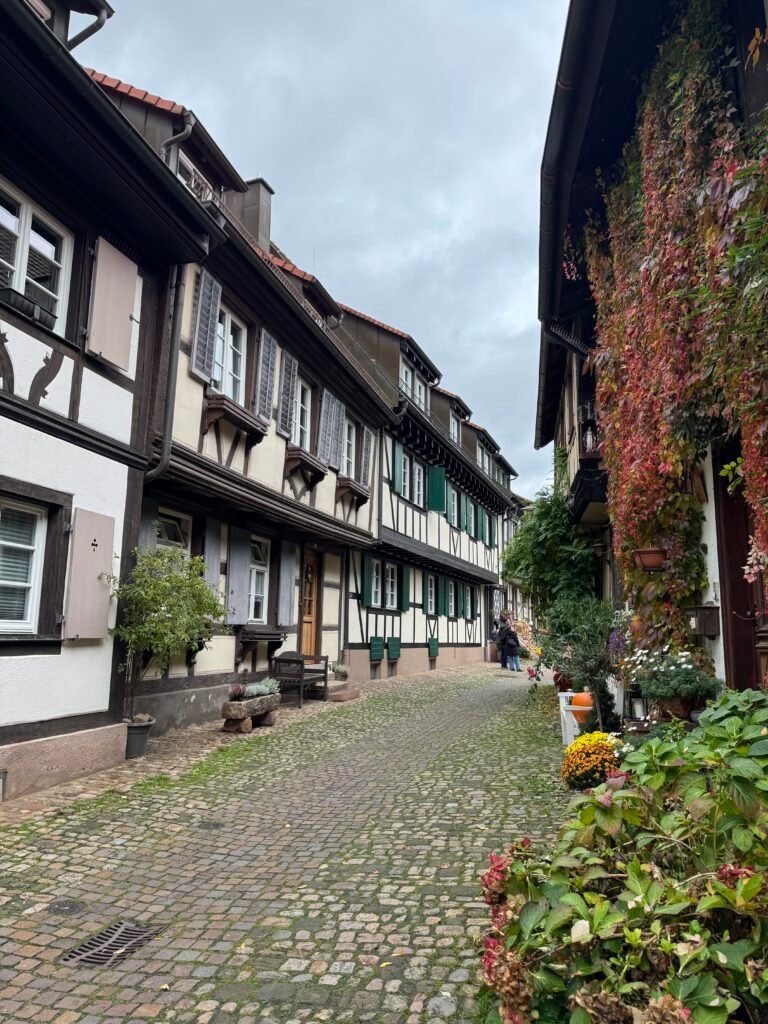
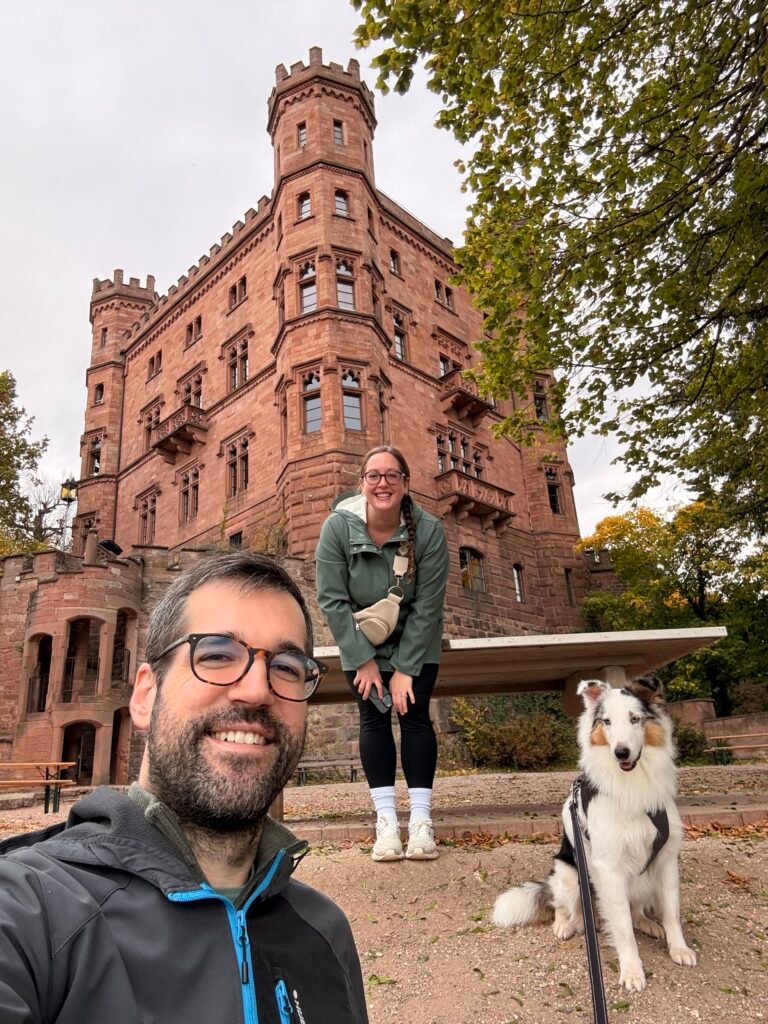
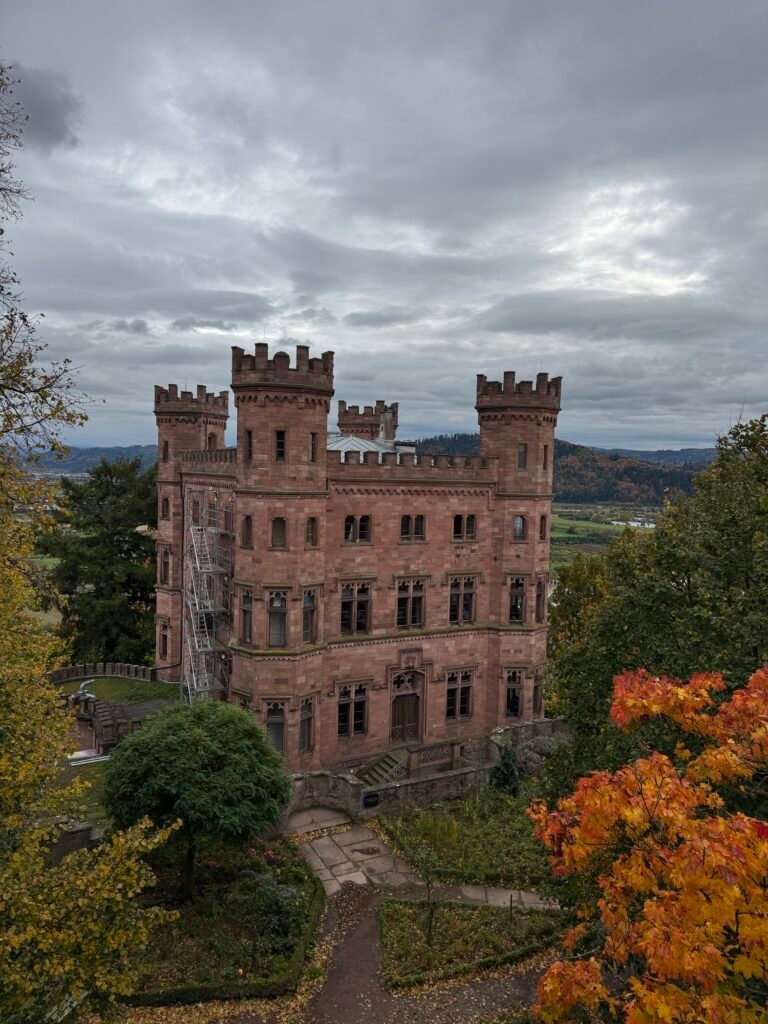
Germany is stunning in a way people don’t talk about enough. Storybook towns, dramatic landscapes, castles that feel like they belong in a dream. And the food? It goes far beyond sausages and schnitzel. From traditional dishes to flavors shaped by decades of immigration, it’s a culinary mix that surprises you, in the best way.
This guide isn’t about the clichés. It’s about experiencing Germany for what it actually is.
Germany Travel Guide: Quick Overview
Best time to visit Germany
The best time to visit Germany really depends on your purpose of travel. If you’re chasing what most people consider “good weather” (mild to warm temperatures), late spring through early fall (May–September) is ideal. Southern regions like Bavaria tend to have warmer, sunnier summers, while the north (Hamburg, Berlin) can feel a bit cooler and breezier. Fall (September–October) is also a great time to visit, especially if you want fewer crowds and still pleasant weather. Winter is colder, but it’s when Germany truly shines with Christmas markets and a completely different atmosphere.
How many days you need
If you’re planning to hit the main cities using Germany’s train system, a good baseline is 7-10 days. This gives you enough time to see places like Berlin, Munich, and one or two smaller regions without feeling rushed. If you want a slower pace or to include nature heavy areas like the Alps or the Black Forest, 10-14 daysis a much more comfortable timeframe.
Is Germany expensive?
Compared to some destinations, Germany can feel on the more expensive side, especially in major cities or during peak seasons. That said, if you’re coming from the U.S., prices likely won’t shock you. Accommodation, transportation, and dining are generally in line with what you’d expect in many American cities, and there are plenty of ways to balance your budget depending on how you travel.
Is Germany safe?
Germany is considered a very safe country for travelers and consistently ranks among the safer destinations in Europe. Violent crime rates are low, and most visits are trouble free. Like anywhere, it’s important to stay aware of your surroundings, especially in busy areas like train stations where petty theft can happen. Choosing accommodation in well rated, central neighborhoods (rather than directly around major train stations) is always a good idea.
Who Germany is perfect for
Germany is one of those destinations that works for almost every type of traveler. It’s ideal for those who love a mix of history, architecture, and culture, but also for travelers who want access to nature, mountains, forests, and scenic drives. Food lovers will appreciate everything from traditional German dishes to a surprisingly diverse international food scene. Whether you’re planning your first trip to Europe or looking for something a bit more layered, Germany offers a balance that’s hard to beat.
Best Time to Visit Germany
The best time to visit Germany really depends on what kind of trip you want, because each season here feels completely different.
If you’re looking for that classic “good weather” (mild to warm temperatures, long days, outdoor dining), late spring through early fall (May–September) is the sweet spot. Southern regions like Bavaria and the Alps tend to be warmer and sunnier, while northern cities like Hamburg and Berlin can feel cooler, windier, and a bit more unpredictable.
Summer (June–August)
This is peak travel season for a reason. Expect warm temperatures, festivals, beer gardens in full swing, and long daylight hours. It’s perfect for exploring cities and getting out into nature but it’s also the busiest and most expensive time to visit.
Fall (September–October)
One of the best underrated times to visit. You’ll still get pleasant weather, fewer crowds, and this is when Oktoberfest in Munich takes place (late September into early October). It’s also harvest season, which means cozy food, wine regions at their best, and beautiful landscapes.
Winter (November–February)
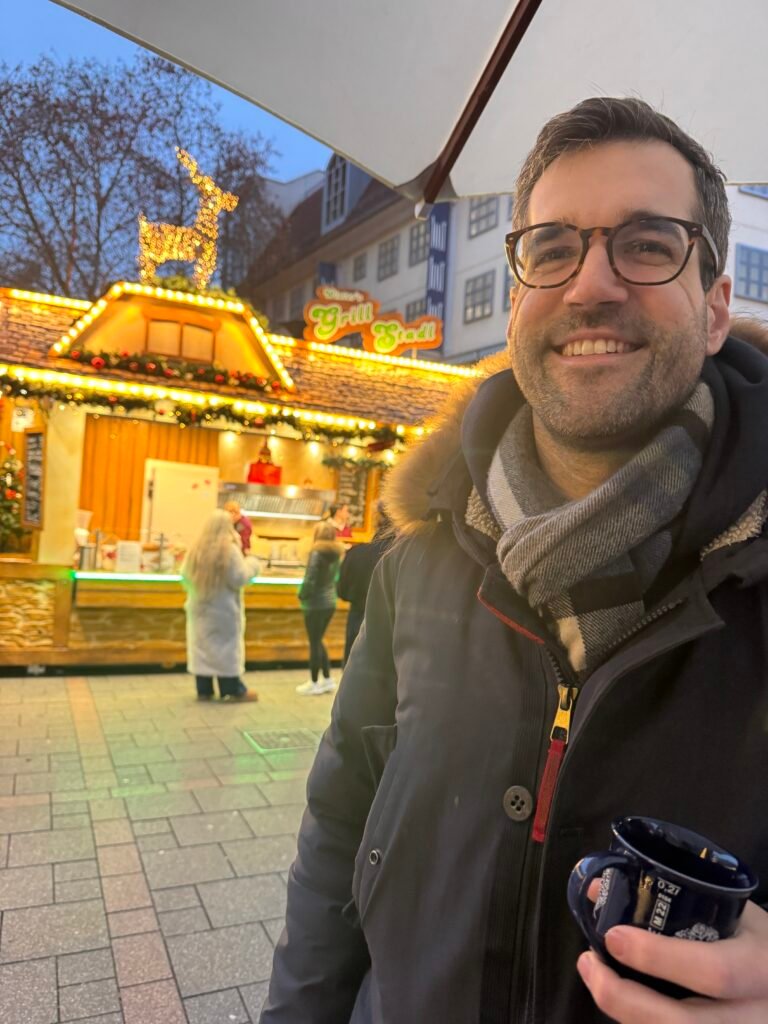
Cold, yes but also one of the most magical times to visit. Germany is famous for its Christmas markets, typically running from late November through December. Think mulled wine, lights, and that cozy, festive atmosphere Germany does so well. Just be prepared for short daylight hours and colder temperatures, especially in the south.
Spring (March–May)
A quieter time to visit as things start to warm up. You’ll see blooming landscapes, fewer tourists, and better prices. This is also when Karneval (Carnival) takes place in regions like Cologne, one of the biggest cultural festivals in the country.
Shoulder seasons (April–May and September–October)
If you want a balance of good weather, fewer crowds, and better prices, this is your sweet spot.
Practical Information for Visiting Germany
Is Germany Expensive?
Compared to some destinations, Germany can feel on the more expensive side especially in major cities like Munich, Frankfurt, or Hamburg. That said, if you’re coming from the U.S., prices likely won’t shock you. It sits somewhere in that middle ground where it’s not “cheap,” but it’s also not outrageously expensive if you plan well.
Here’s a rough idea of everyday costs:
- Coffee:
€3–€5 in big cities
€2–€3.50 in smaller towns - Bakery item (pastry or bread):
€2–€4 (and honestly, German bakeries are worth every cent) - Traditional German meal (restaurant):
€12–€20 in smaller towns
€18–€30+ in larger cities - Beer:
€4–€6 depending on location
Where you really see the difference is big cities vs smaller towns. Cities like Munich can feel noticeably more expensive, while smaller towns and villages are much more budget friendly and often feel more “local” anyway.
If you’re trying to save money:
- Grocery stores are very affordable (Aldi, Lidl, Rewe, Netto)
- You can easily put together a meal for €5–€10
- Tap water is safe to drink (although its not common to ask for tap water in a restaurant. You will need to purchase a bottle of water and specify still or sparkling)
A realistic daily budget (excluding accommodation) , per persons could look like:
- Budget traveler: €40–€60/day
- Mid-range: €60–€100/day
- Higher-end: €100+/day
Is Germany Safe?
Germany is considered one of the safer countries in Europe, and for the most part, you’ll feel very comfortable traveling here, even solo. Violent crime rates are low, and most visits are completely trouble-free.
That said, like anywhere, there are a few things to be aware of.
Petty crime (like pickpocketing) can happen, especially in major cities, tourist-heavy areas and around main train stations (Hauptbahnhof)
It’s actually pretty well known in Germany that areas directly around central train stations can feel a bit less safe, especially late at night. This is usually due to higher foot traffic, nightlife, and in some cities, visible drug or homelessness issues.
That doesn’t mean you should avoid them completely, it just means be aware of your surroundings, don’t choose accommodation right next to the station if you can help it and use the same common sense you would in any major city
Overall, Germany is very safe, you just need a basic level of awareness.
Getting Around Germany
Germany is one of the easiest countries in Europe to get around thanks to its incredibly well-connected public transportation system.
The Deutschland Ticket (€49/month)
This is one of the best travel deals in Europe. It gives you unlimited access to regional trains, local trains (S-Bahn), subways (U-Bahn) buses and trams.
Important: It does NOT include high-speed trains like ICE, IC, or EC. You can purchase it online through apps like Deutsche Bahn (DB Navigator app) or local transport providers.
High-Speed Trains (ICE Trains)
If you want to travel quickly between major cities (like Berlin to Munich), you’ll use ICE trains.
These need to be booked separately through Deutsche Bahn (official website or DB Navigator app). Prices vary a lot depending on how early you book and time of day.
Tip: book early for cheaper fares
Taxis & Apps
Taxis are widely available, but they can be expensive. You can also use FREE NOW (very common in Germany) or Uber (available in some cities, but more limited than in the U.S.)
Cash vs Card in Germany
Germany has a reputation for being very cashforward and honestly, that reputation exists for a reason. While things have improved a lot since COVID, especially in bigger cities, there are still plenty of places that prefer cash or only accept EC cards (German debit cards) Smaller restaurants, bakeries, and local spots may still be cash only.
My rule is never go out without some cash and coins (especially for public toilets, which often cost €0.50–€1)
That said, in major cities, you’ll find that most restaurants, hotels and larger shops accept cards now. It’s just not something you want to rely on 100%.
How to Plan Your Germany Trip
How Many Days Do You Need in Germany?
How much time you need in Germany really depends on how you want to travel.
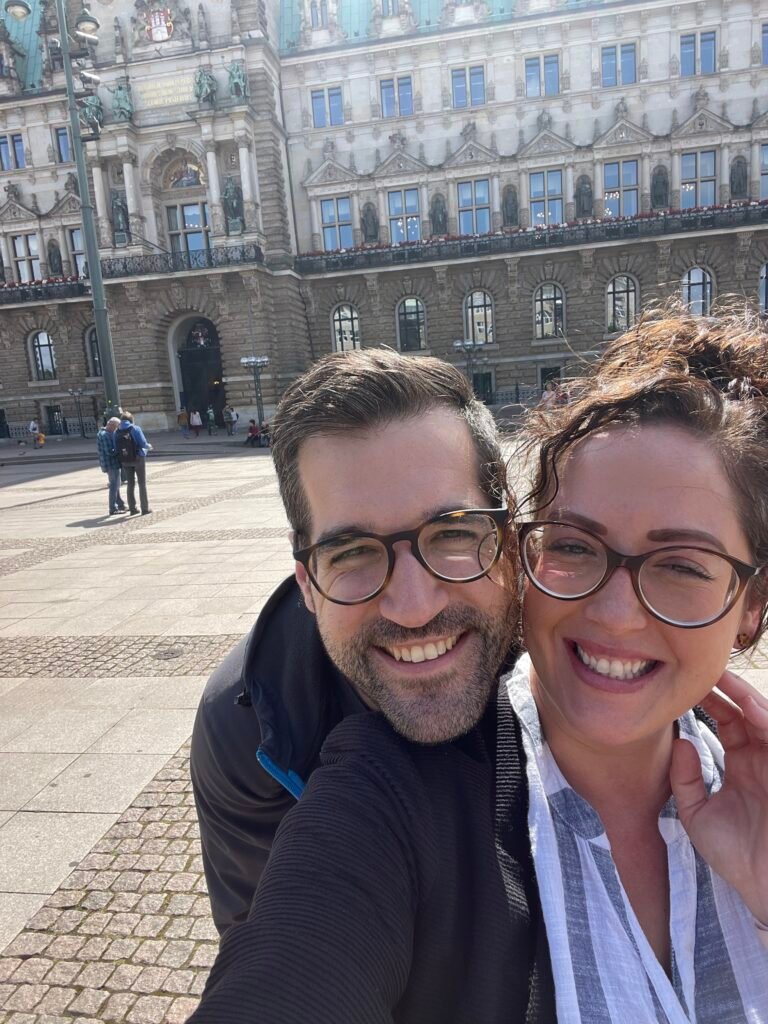
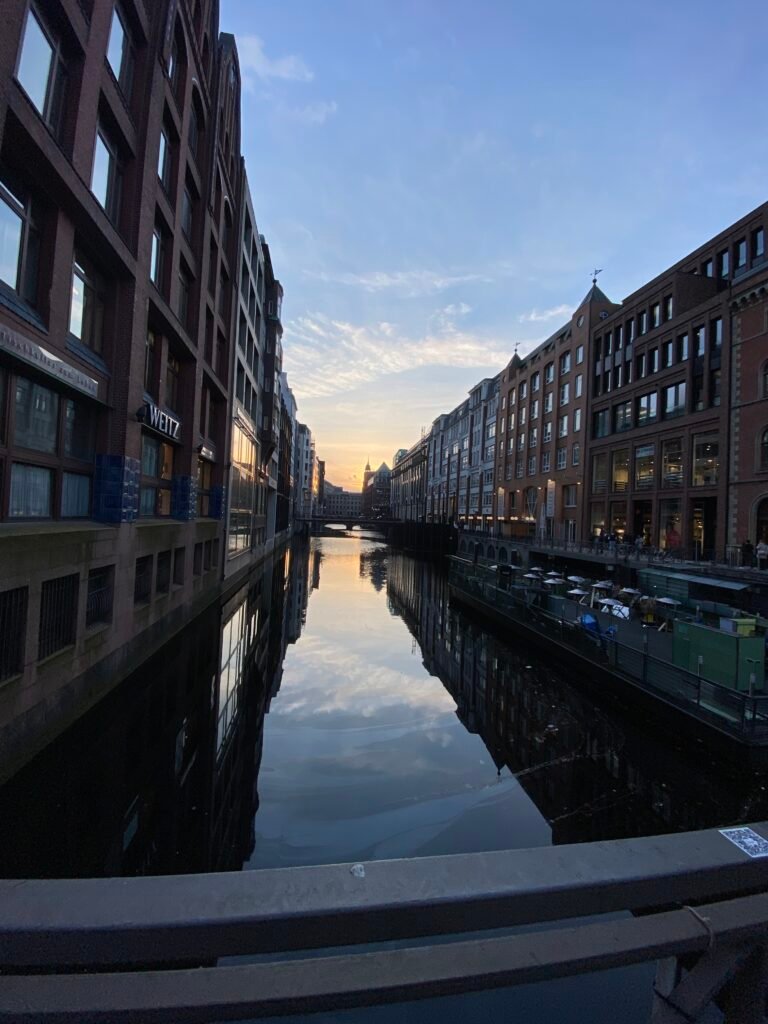
If you’re just looking to hit a few major cities, you can see highlights in 7–10 days. This gives you enough time for places like Berlin, Munich or Hamburg ( what to eat in Hamburg) plus maybe one smaller stop in between.
If you want a more balanced trip cities, smaller towns, and some nature then 10–14 days is a much better pace. Germany isn’t a country you want to rush. Some of the best moments happen in the in between places, not just the big cities.
And if you really want to experience Germany properly slower mornings, scenic train rides, time in smaller towns, you could easily spend 2+ weeks and still not see it all.
How to Structure Your Route
One of the biggest mistakes people make when planning a trip to Germany is trying to do too much, too far apart, in too little time.
Germany is incredibly well connected by train, but that doesn’t mean you should be zig-zagging across the country every other day.
Instead, think in regions.
Here are a few route ideas that actually make sense:
Bavaria-focused
Munich, Neuschwanstein Castle, the Alps, and smaller towns like Garmisch-Partenkirchen best for mountains, scenery, and that classic “storybook Germany” feel
Rhine Valley & Black Forest
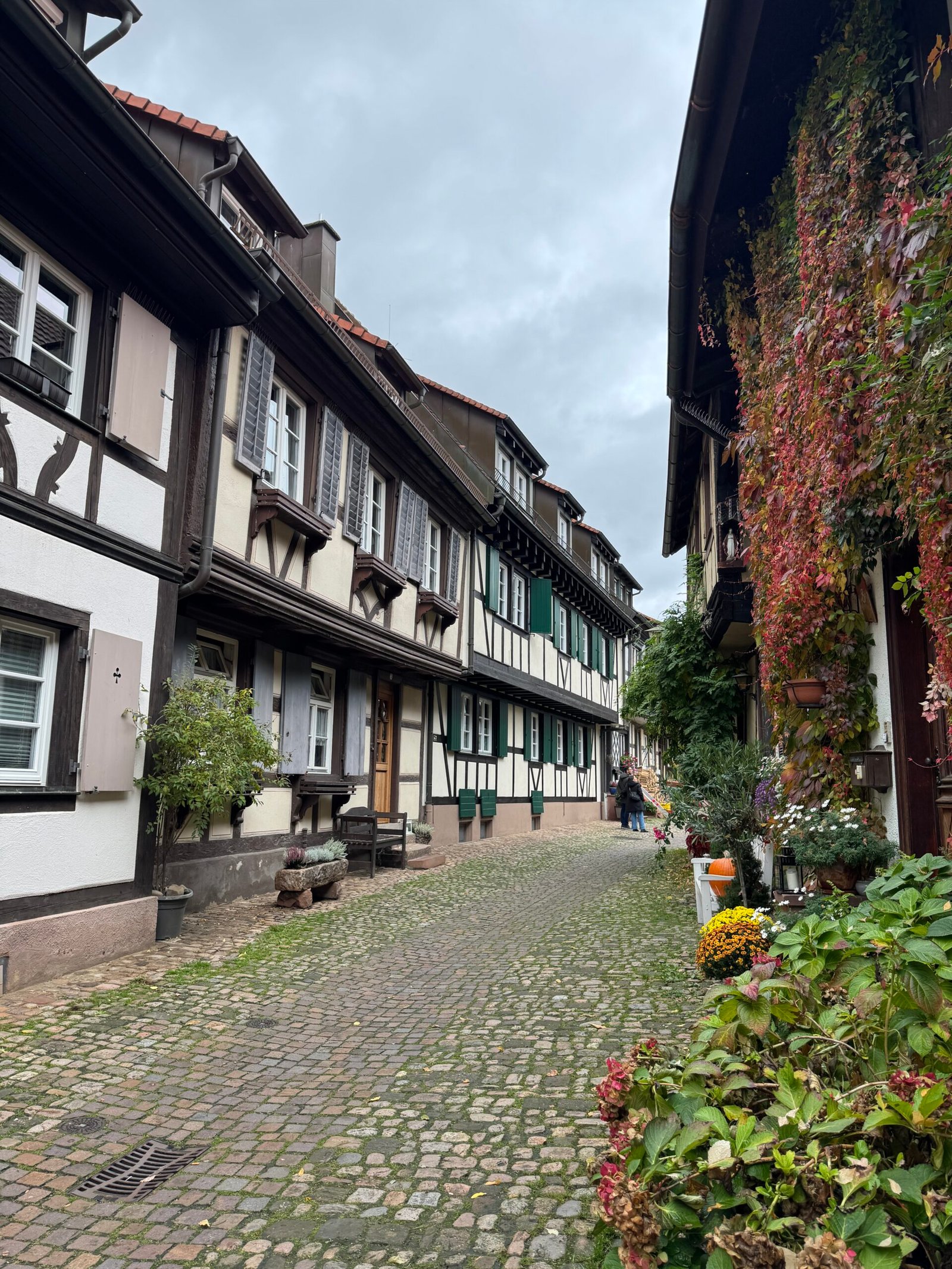
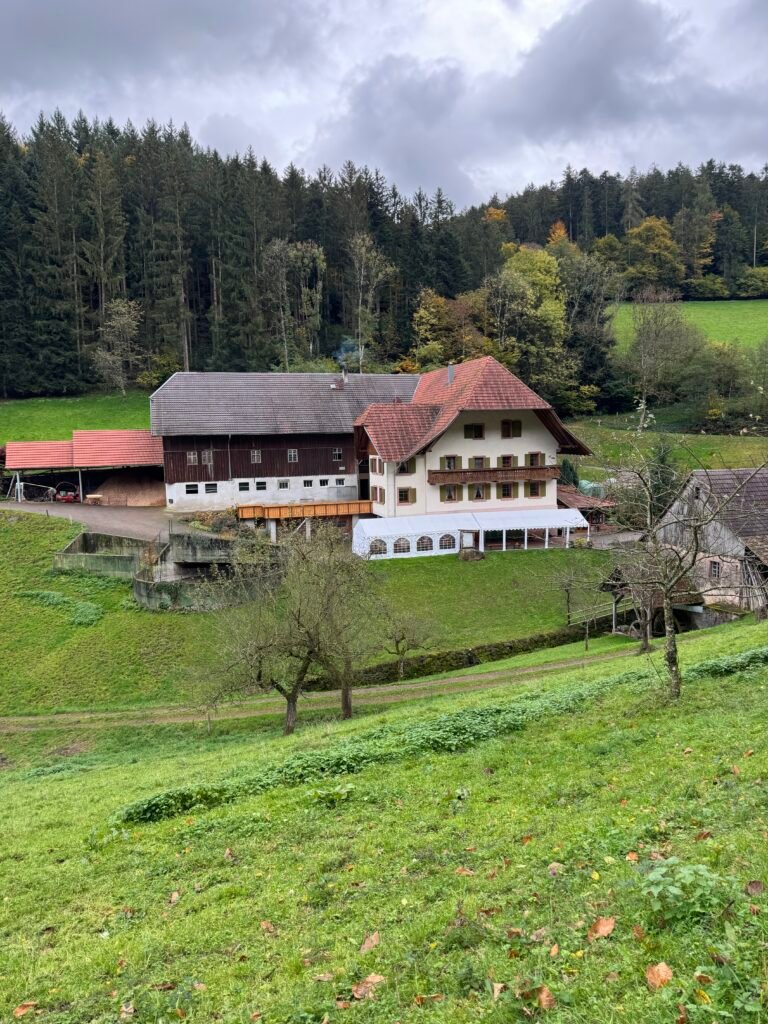
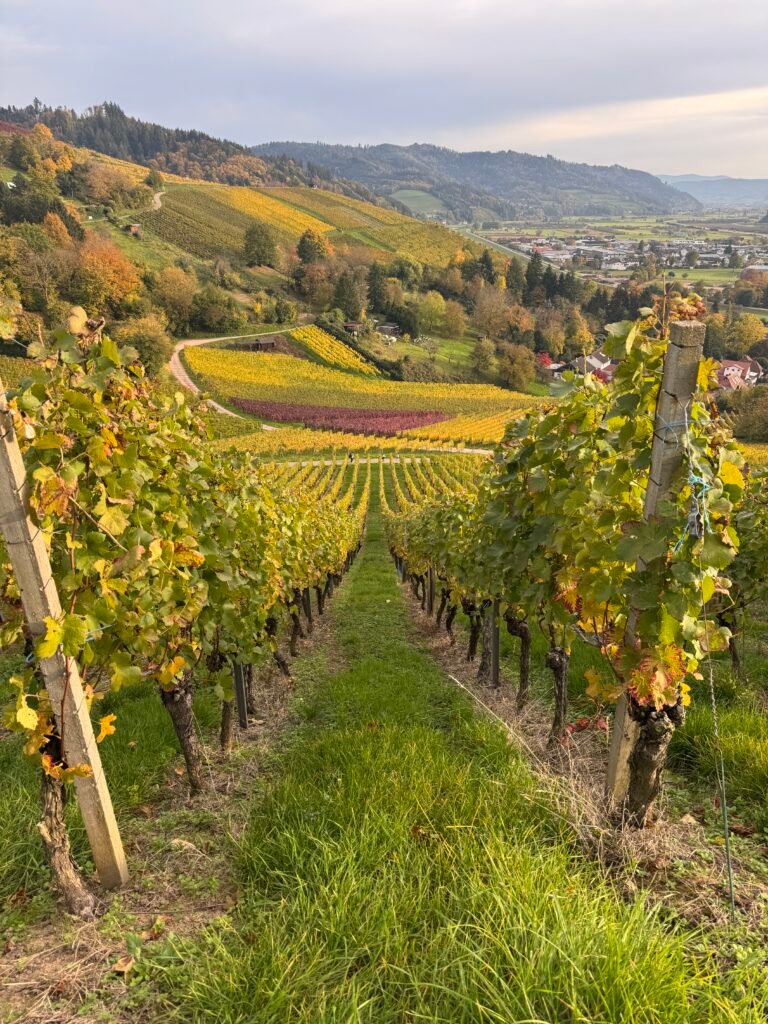
Frankfurt, Rhine River towns, Heidelberg, Gengenbach, Black Forest villages, best for castles, wine, and smaller, more local experiences
City & nature mix
Berlin & Munich plus one scenic region in between
best for first time visitors who want a bit of everything
The key is choosing a route that flows naturally, this is where train travel really shines in Germany when it’s done right.

Germany Travel Tips That Will Save You Stress
Germany is one of those places where everything looks easy to plan… until you’re in the middle of it trying to figure out train connections, ticket types, and why your platform just changed last minute.
A few things that will genuinely save you stress:
Don’t overpack your itinerary
Less moving around = a better experience
Book long distance trains in advance
Especially high-speed ICE trains, they get expensive last minute
Download the DB Navigator app
It’s essential for train times, delays, and platform updates
Give yourself buffer time between connections
German trains are efficient but delays do happen
Be strategic about where you stay
Central is great, but right next to the main station isn’t always the best choice
And honestly, this is exactly where having someone who understands how travel in Germany actually works can make a huge difference.
Germany is one of the best countries in Europe for train travel, but it’s not always as straightforward as it looks online. Between regional tickets, high-speed trains, route planning, and timing everything efficiently, there’s a lot that goes into making a trip feel seamless instead of stressful.
This is actually what I specialize in designing train based itineraries that flow naturally, make sense geographically, and allow you to experience more without feeling rushed. The goal isn’t just to “see Germany,” but to experience it in a way that feels easy, intentional, and well paced.
If you’re feeling overwhelmed trying to piece it all together, this is exactly the kind of trip I help plan for my clients. Click here to learn more about working with me to plan your stress free trip to Germany.