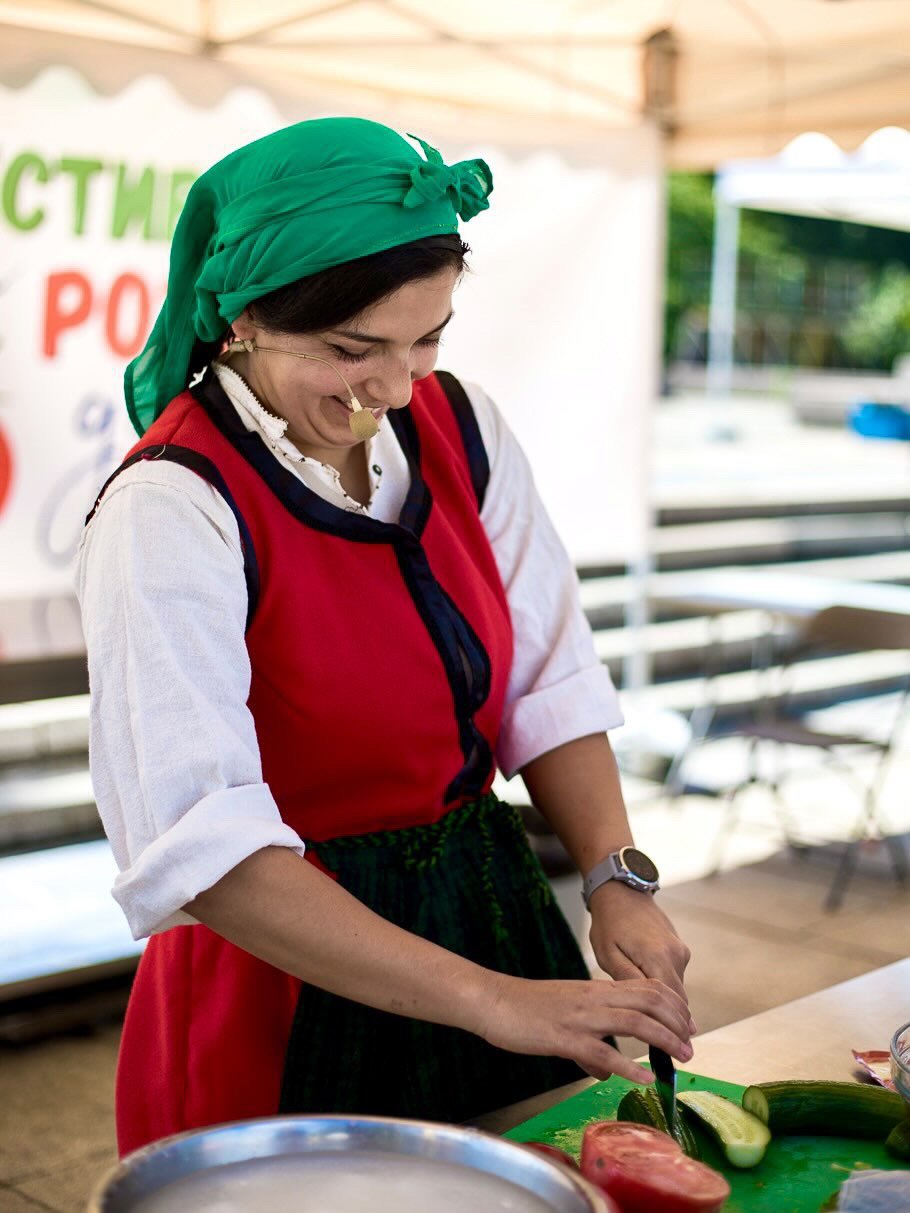
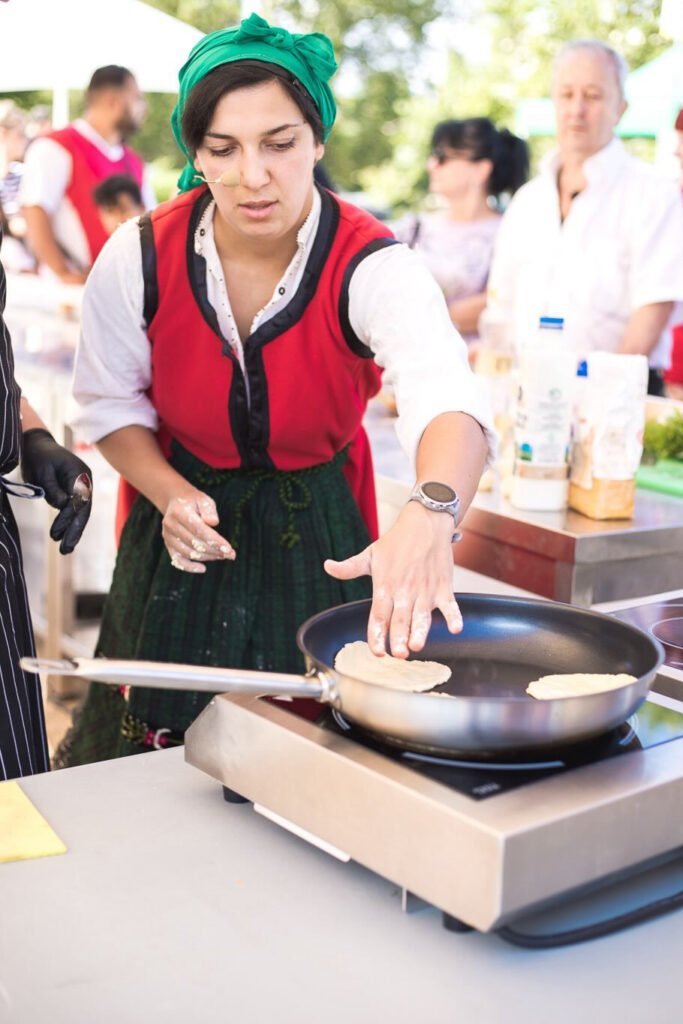
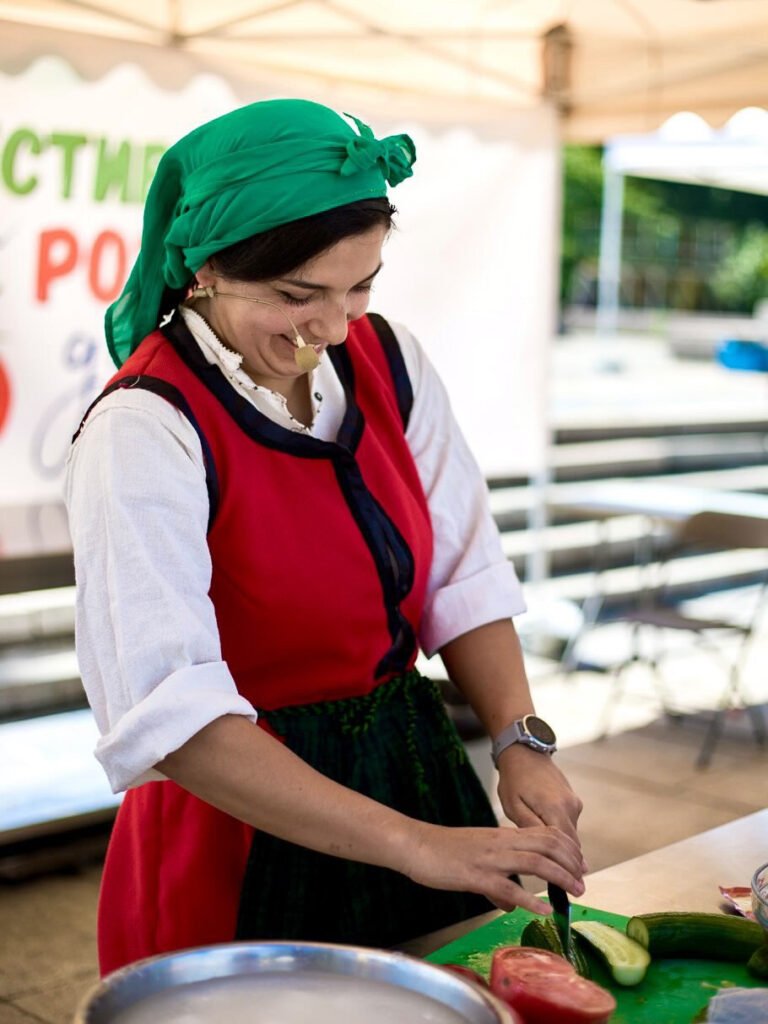
Looking for an authentic Bulgarian cooking class in Sofia? I joined a local cooking experience hosted by Yana Divanova, founder of Cook & Eat Bulgaria.
What started as a search for traditional Bulgarian food turned into a deeper lesson about family, culture, and the stories that shape a country.
This Bulgarian cooking class in Sofia introduced me to far more than traditional food, it offered a glimpse into the people, stories, and traditions that shape modern Bulgaria.
I first found myself in Bulgaria because of Max’s work trip. What I’m really looking for, when I travel, is a way to understand the place beyond the landmarks, hotel lobbies, and tourist attractions.
And in my experience, one of the fastest ways to understand a culture is through its food.
So while planning our time in Sofia, I did what I often do when traveling, I opened Airbnb Experiences. Over the years, I’ve found that some of my most memorable travel experiences haven’t happened on tours or inside museums, but around dinner tables, in family kitchens, and in conversations with locals willing to share a small piece of their world.
That’s how I found a cooking class hosted in a local Bulgarian home.
What I expected was a lesson in Bulgarian cuisine.
What I got was something much better.
When we arrived, it didn’t feel like showing up to a class. It felt like old friends gathering for a shared experience and a meal. There was no polished performance, no scripted presentation, no feeling of being shuffled through another tourist activity.
Instead, there was Yana.
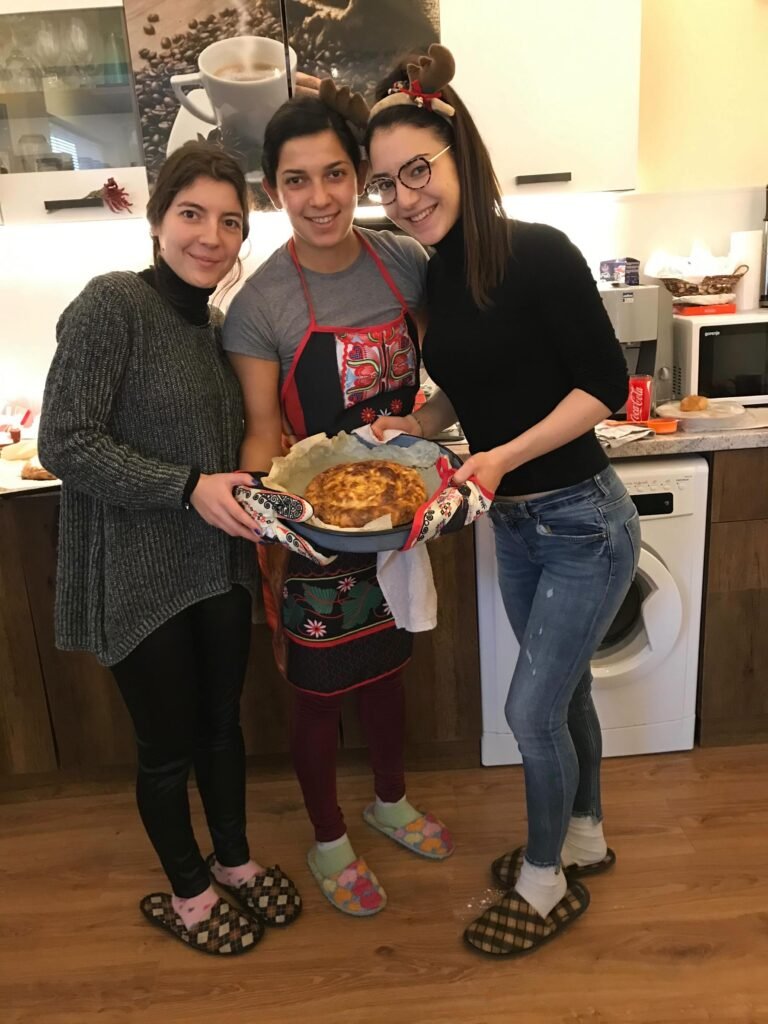
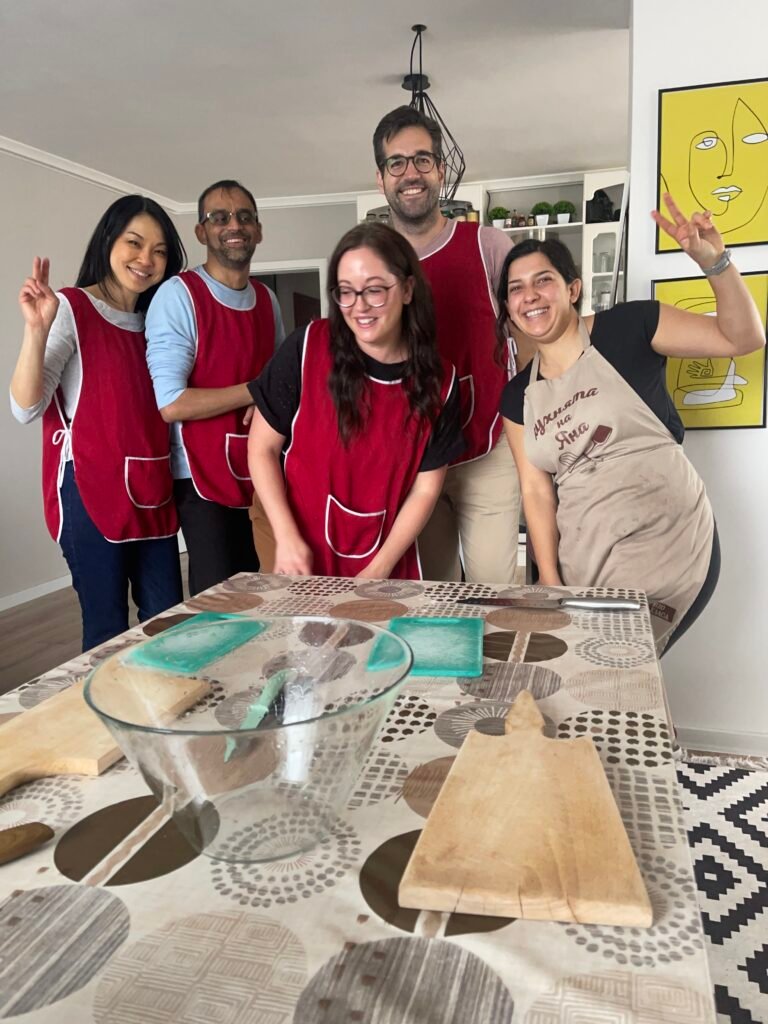
Warm, curious, and genuinely excited to share her country with strangers, Yana welcomed us into her home the same way many people welcome family. Over the next few hours, we cooked together, exchanged stories, laughed, and talked about everything from Bulgarian traditions to family recipes.
And somewhere between chopping vegetables and sharing dinner around the table, I realized this wasn’t really a cooking class at all.
It was an invitation into Bulgaria through the eyes of someone who loves it deeply.
A Childhood Between the Black Sea and the Garden
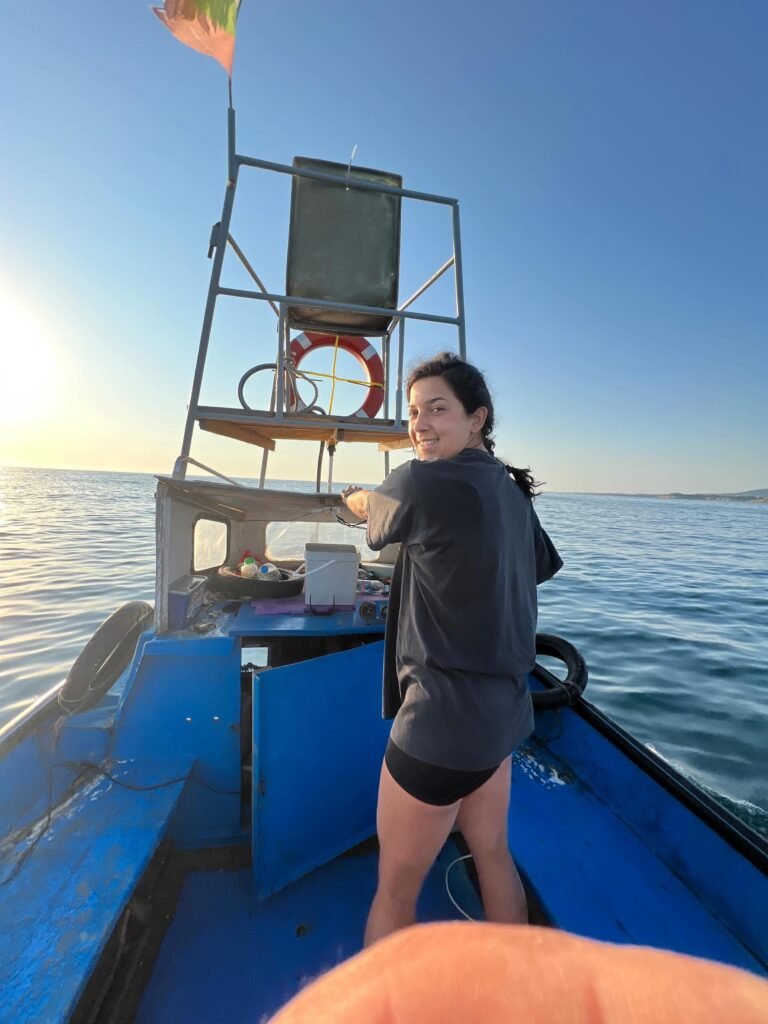
Long before Yana was teaching travelers how to make Bulgarian dishes in her Sofia apartment, she was growing up in Tsarevo, a small town tucked along Bulgaria’s Black Sea coast.
Food was never just food there.
On her father’s side, she came from a family of professional cooks. On her mother’s side, she was surrounded by people who quietly protected local traditions, recipes, and ways of life that had been passed down for generations.
Looking at her story, it feels almost inevitable that she would eventually find herself standing between those two worlds.
Like many families in smaller Bulgarian towns, hers relied heavily on what they grew themselves. There was the garden behind the house and another larger one outside town. Vegetables were picked when they were ready, meals changed with the seasons, and ingredients didn’t travel halfway around the world before landing on the dinner table.
The food wasn’t trendy. Nobody was calling it farm-to-table.
It was simply life.
Fresh tomatoes in the summer. Peppers pulled from the garden. Herbs growing close enough to the kitchen that someone could step outside and grab what was needed for dinner.
The older I get, the more I find myself drawn to stories like this.
Not because they’re nostalgic, but because they remind me that many of the things we now market as luxury experiences were once simply how people lived.
Seasonal food. Knowing where your ingredients came from. Gathering around a table with family.
For Yana, those weren’t travel experiences people paid for.
They were childhood.
And without realizing it at the time, those early years were quietly shaping the way she would eventually share Bulgaria with the world.
The Summer Ritual That Still Shapes Her Today
When I asked Yana about one of her earliest food memories, she didn’t talk about a restaurant, a special holiday meal, or even a family recipe.
She talked about lutenitsa.
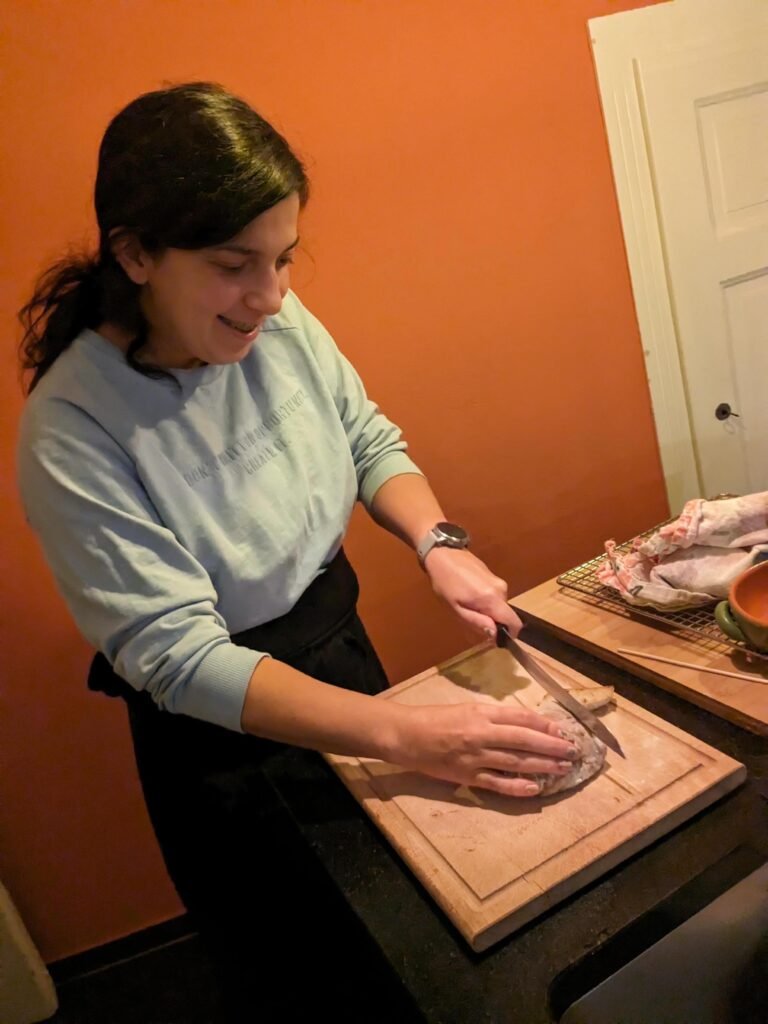
For those unfamiliar with it, lutenitsa is one of Bulgaria’s most beloved foods. It’s a rich vegetable spread made primarily from roasted peppers and tomatoes, often eaten on fresh bread and found in homes across the country. Every family seems to have their own version, their own method, and their own opinions about what belongs in it.
Sorta like barbecue sauce the Southern US…
But what Yana remembered most wasn’t the finished spread itself.
It was the ritual surrounding it.
Every August, as summer began to fade and the family gardens were overflowing with ripe tomatoes and peppers, her family would gather in the shared backyard. Grandparents, cousins, parents, everyone had a role to play.
Some peeled tomatoes.
Others peeled peppers fresh off the grill.
Someone ground the vegetables.
And Yana’s favorite job? Standing by the open fire where the mixture slowly cooked down into the thick, smoky spread that would eventually fill jars and pantries for the colder months ahead.
And OF COURSE, there was plenty of quality control involved…
As Yana described it, what made those days special wasn’t the food.
It was the fact that everyone was there.
Working.
Talking.
Laughing.
Spending time together without realizing they were creating the memories that would stay with them decades later.
I think that’s how food works at its best.
Growing up in East Tennessee, some of my strongest food memories aren’t tied to a specific recipe either. They’re tied to the people standing around the kitchen while it was being made. Family gathered around tables. Holiday meals that seemed to last all day. Conversations that somehow felt more important simply because food was involved.
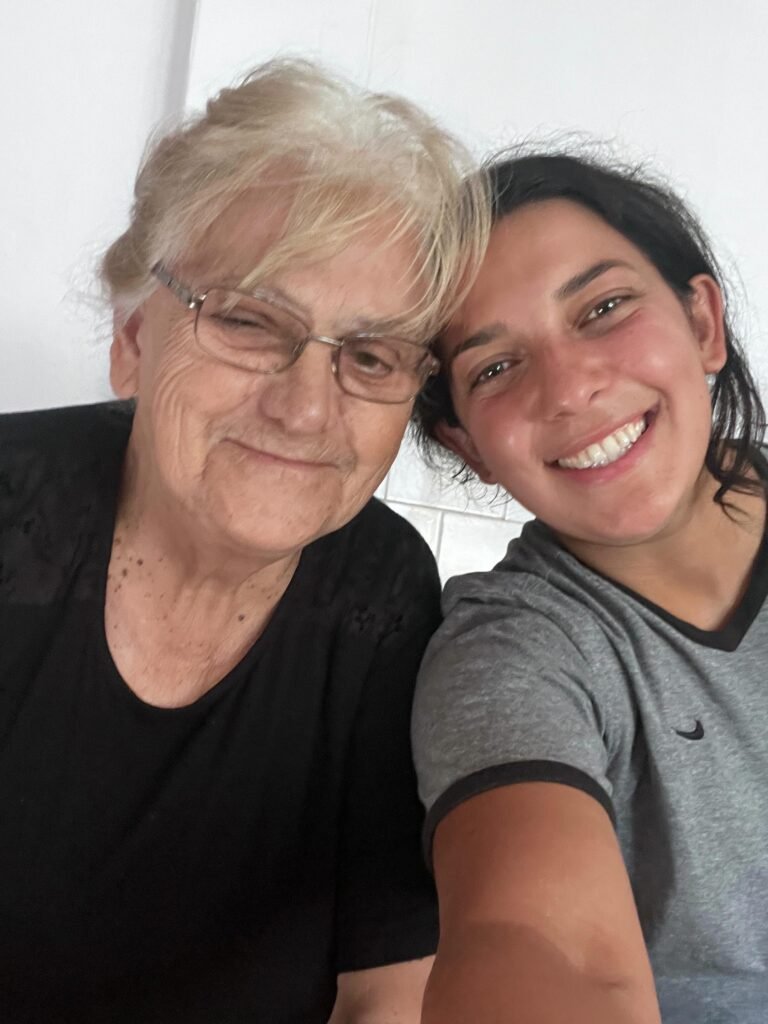
The recipe may be what gets passed down.
But the people are what you remember.
And listening to Yana talk about those late-summer evenings in Bulgaria, I couldn’t help but think how similar that feeling is no matter where in the world you grow up.
Different country.
Different language.
Different food.
The same human instinct to gather around a table and call it home.
The Airbnb Listing That Changed Everything
If you meet Yana today, it’s hard to imagine there was ever a time when she wasn’t doing this.
She speaks about Bulgaria with the kind of excitement that can’t be faked. The kind that makes you want to book a ticket before the conversation is even over.
But the version of Yana I met in Sofia almost never happened.
For a long time, she felt stuck.
Not the dramatic, movie-worthy kind of stuck. The quieter kind. The kind that slowly settles in when life feels repetitive, when the days start looking the same, and when you realize you’re spending more time dreaming about what excites you than actually doing it.
She described feeling dissatisfied, disappointed, even depressed.
Like she was moving through life without anything that truly lit her up.
Then came a trip with her sister.
While planning where they would stay, she stumbled across something Airbnb had recently started offering: Experiences.
For most people, it was just another feature on a booking website. For Yana, it became a turning point.
When she returned home, she couldn’t stop thinking about it.
She loved cooking. She loved Bulgaria. And suddenly she saw a way to combine both.
“I told myself there isn’t a better way to combine them,” she said.
So she applied. A week later, Airbnb emailed her back.
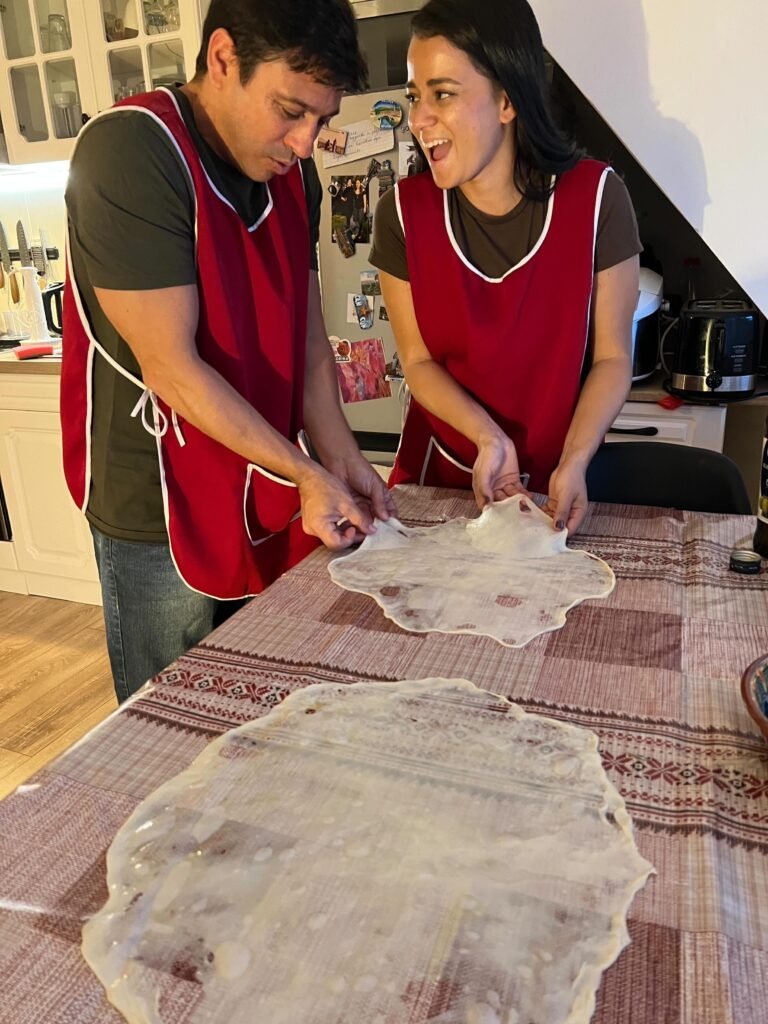
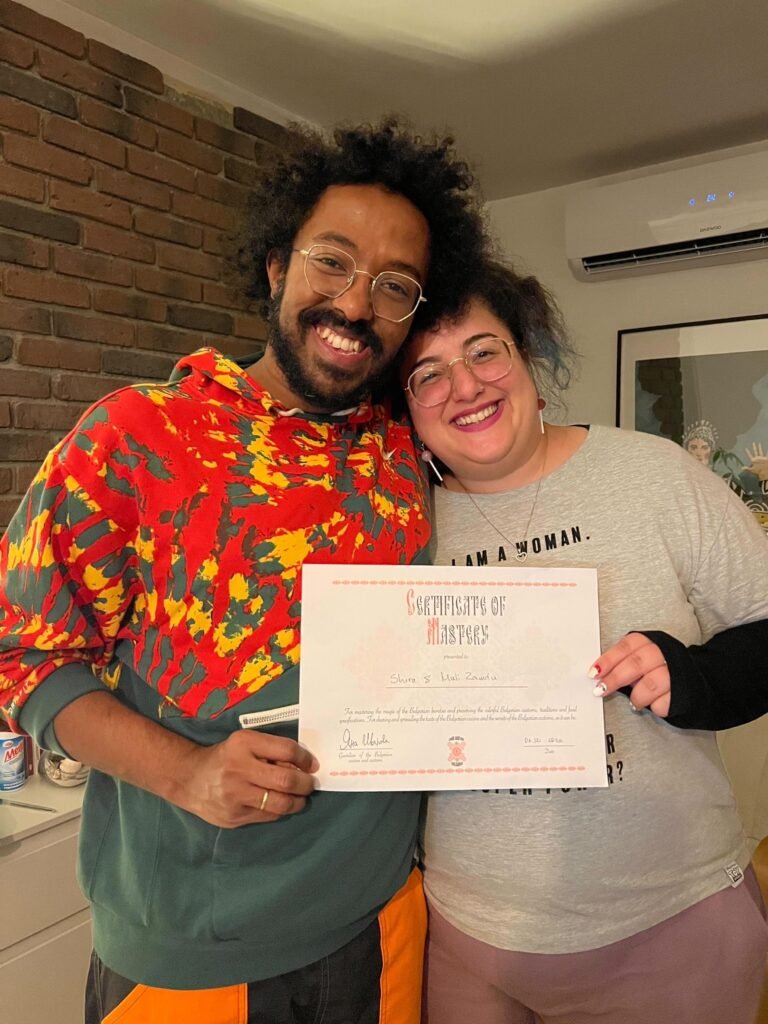
At the time, Airbnb Experiences was just launching in Sofia, Bulgaria, and Yana would go on to become the country’s very first Airbnb Experience host and the first person to offer a cooking class experience in Sofia.
It’s one of those stories that sounds obvious in hindsight.
Of course the woman raised between professional cooks and family traditions shaped by food would eventually find herself teaching others about Bulgarian food in Sofia.
Of course the person who loves sharing stories would build a business around bringing strangers together at a dinner table.
But that’s the funny thing about purpose. It rarely feels obvious while you’re living through it.
What looks like destiny from the outside often starts with someone simply deciding they’re tired of waiting for their life to become interesting.
Today, travelers walk through Yana’s front door looking for a cooking class.
What they find instead is someone who built an entirely new chapter of her life from two things she already loved: food and home
More Than a Cooking Class
At one point in our conversation, Yana told me something that perfectly explained why her experience feels so different from most cooking classes.
“I am not a traditional cook,” she said.
For years, I think she assumed that if she wanted to pursue food professionally, it meant working in a restaurant kitchen. The long hours. The pressure. Preparing the same dishes over and over again.
But along the way, she realized that wasn’t the life she wanted.
Instead, she found what she calls her “golden middle ground.”
Combining her love of Bulgaria with her love of food and sharing both with curious travelers from around the world.
And honestly, once you’ve experienced one of her classes, that becomes immediately obvious.
Because while there is certainly cooking involved, the recipes almost feel secondary.
The real experience happens in the conversations. It happens while chopping vegetables together at the kitchen counter. It happens while discussing family traditions from opposite sides of the world.
It happens when someone mentions a dish from their childhood and suddenly another person at the table is reminded of a memory they haven’t thought about in years.
By the end of the evening, it felt less like attending a cooking class and more like being invited to dinner by a Bulgarian friend.
There was laughter. There were stories. There were moments when conversation drifted far beyond food entirely.
And then, as often happens when strangers share a meal together, there came a point where nobody really felt like strangers anymore.
I think that’s what Yana has created.
Not a cooking class. Not a restaurant. Not a performance designed for tourists.
But a space where people can learn about Bulgaria through the people who call it home.
The recipes simply happen to be the language everyone shares.
What to Expect from This Bulgarian Cooking Class in Sofia
After booking, Yana will personally reach out before your experience. This is a great opportunity to ask any questions you may have, discuss dietary restrictions, food allergies, or special requests. One of the things I appreciated most is that the experience feels flexible and personal rather than one-size-fits-all.
On the day of the class, the apartment is easy to find and Yana is quick to help if you have any trouble locating it. In our case, she greeted us warmly at the door and immediately made us feel welcome.
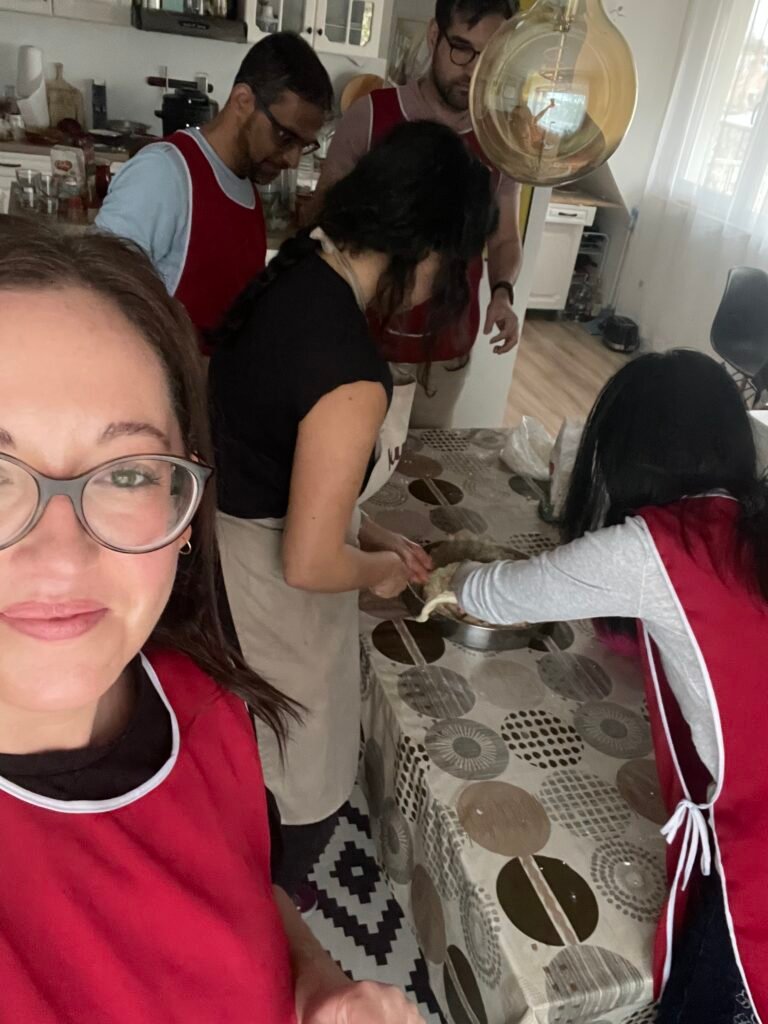
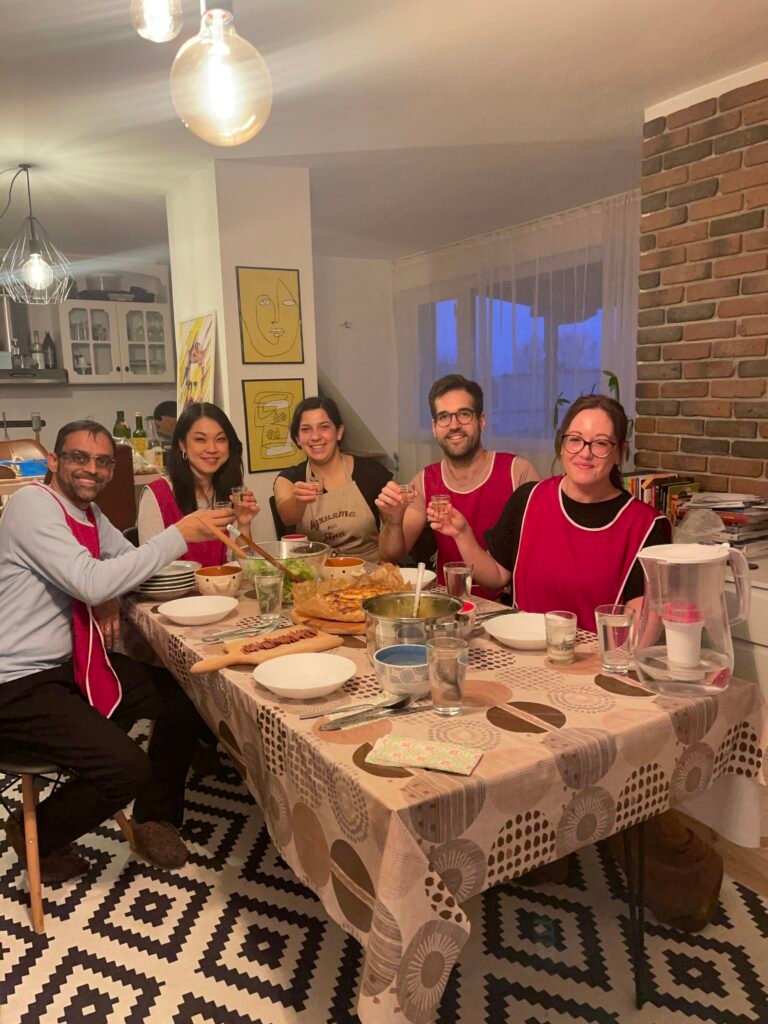
From there, you’ll spend the next few hours exactly as Yana intended: not simply attending a cooking class, but sharing an evening with a Bulgarian friend.
Together you’ll prepare traditional Bulgarian dishes, learn about the ingredients and stories behind them, and talk about everything from local traditions to everyday life in Bulgaria. By the time dinner is ready, you’ll have done far more than follow a recipe.
You’ll sit down together to enjoy the meal you’ve created, swap stories, and experience the kind of cultural exchange that so often becomes the highlight of a trip.
And honestly, that’s what makes this experience so memorable. You don’t leave feeling like you’ve completed an activity.
You leave feeling like you’ve spent an evening in someone’s home.
Understanding Bulgaria Through Food
Before visiting Bulgaria, I’ll admit my knowledge of Bulgarian food was embarrassingly limited.
I could have pointed to the country on a map. I knew it was part of the Balkans. Beyond that? Not much.
And honestly, I think that’s true for a lot of travelers.
One of the things Yana challenged during our conversation was the idea that food neatly fits within modern borders.
Ask most people to describe Bulgarian cuisine and they’ll likely expect a straightforward answer.
Yana doesn’t see it that way.
In her view, many of the dishes people think of as uniquely Bulgarian are part of a much larger Balkan food story that stretches across modern-day Bulgaria, Greece, Serbia, North Macedonia, Turkey, and beyond.
For nearly 500 years, much of the region lived under Ottoman rule. Recipes traveled. Techniques traveled. Ingredients traveled. Families adapted dishes based on what was available locally and what had been passed down through generations.
The result is a cuisine that feels both familiar and deeply personal.
The same dish might look completely different depending on which family is making it.
Or which village.
Or which grandmother.
In many ways, that’s what makes Balkan food so fascinating. It’s less about strict rules and more about stories.
Yana also believes Bulgarian food is often misunderstood by visitors.
Many travelers first encounter it in restaurants where dishes can be overcooked, overly oily, or stripped of the care that originally made them special.
Historically, Bulgarian cooking wasn’t built around luxury ingredients. It was built around necessity.
Families had to feed a lot of people with what they had available. Meals needed to be filling, practical, and make the most of seasonal ingredients. Creativity mattered more than extravagance.
It’s a philosophy that still shows up in many traditional dishes today.
When Yana describes the flavors of Bulgaria, she doesn’t start with famous restaurants or trendy food scenes.
She talks about red paprika.
She talks about chubritsa, a fragrant variety of summer herb found throughout Bulgarian cooking.
She talks about Bulgarian yogurt.
And perhaps most importantly, she talks about family. Because after spending an evening in her kitchen, I started to realize something.
The recipes may differ from household to household, but the purpose behind them often stays the same.
To gather people around a table.
To tell stories.
To preserve a small piece of where you came from.
And in that way, Bulgarian food feels surprisingly universal.
The Dish That Tastes Like Home
When I asked Yana what home tastes like, her answer came instantly. “A smell of freshly baked banitsa on a Saturday or Sunday morning.”
Not a restaurant.
Not a complicated dish.
Not a special occasion meal.
Just the smell of banitsa baking while the rest of the house slowly wakes up.
There’s something I love about that answer because no matter where in the world you travel, home is rarely defined by the most elaborate meal. It’s usually something simpler. Something familiar. A dish so woven into daily life that you don’t realize how much it means until you’re away from it.
For Yana, that dish is banitsa.
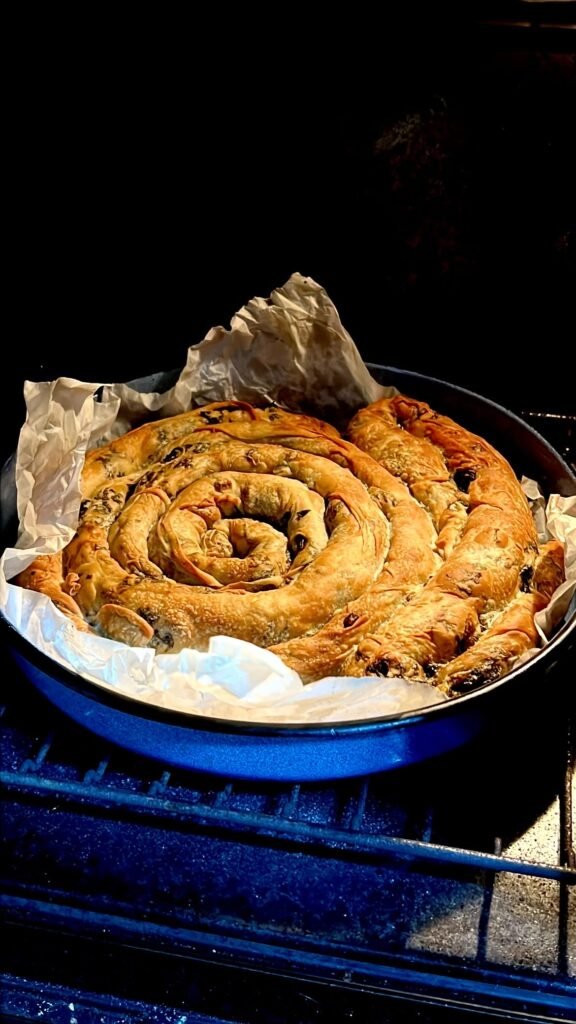
For those unfamiliar, banitsa is one of Bulgaria’s most loved foods. Traditionally made with layers of delicate pastry and cheese, it’s the kind of dish that appears everywhere from family breakfast tables to holiday celebrations. In many Bulgarian homes, a gathering simply doesn’t feel complete without it.
In fact, Yana told me there isn’t a Bulgarian celebration without a banitsa somewhere on the table.
And if there was ever a recipe capable of carrying generations of family stories, this might be it.
When I asked if she would share a recipe from her cooking classes with my readers, she laughed.
“Everyone would say banitsa,” she told me. “But for that one they will need to visit my cooking classes.”
Fair enough.
Instead, she shared a version made with phyllo dough that can be recreated almost anywhere in the world. A recipe that feels both approachable and deeply connected to the traditions she grew up with.
So while it may not be the exact banitsa you’ll learn to make around Yana’s kitchen table in Sofia, it’s a small taste of Bulgaria you can bring into your own home and honestly I think she’d like that.
Traditional Bulgarian Banitsa Recipe
Recipe contributed by Yana Divanova, Founder of Cook & Eat Bulgaria
If there was one recipe that could carry generations of family stories, this might be it. Banitsa is one of Bulgaria’s most beloved comfort foods, found on breakfast tables, at family gatherings, and during celebrations throughout the country.
Ingredients
- 400 g phyllo dough sheets (about 14 oz)
- 400 g Bulgarian yogurt (or Greek Yogurt) (about 1¾ cups)
- 500 ml sparkling water (about 2 cups)
- 400 g Bulgarian brined cheese or Greek feta, crumbled (about 14 oz or 3 cups crumbled)
- 4 large eggs
- 3 tablespoons vegetable oil, plus extra for layering
- 50–60 g butter, cut into small cubes (about 4 tablespoons)
Preparation
For the Filling
- In a large bowl, beat the eggs.
- Add the yogurt and whisk until smooth.
- Slowly pour in the sparkling water and stir gently.
- Add 3 tablespoons of vegetable oil.
- Set aside.
Note: The yogurt and sparkling water will react and foam slightly. Be sure to use a tall bowl to prevent overflow.
Assemble the Banitsa
- Preheat the oven to 170°C (340°F) with a fan/convection setting or 190°C (375°F) in a conventional oven.
- Generously butter the bottom and sides of a rectangular baking dish with sides at least 6 cm (2½ inches) high.
- Place one sheet of phyllo dough in the bottom of the dish and drizzle lightly with oil.
- Add a second sheet on top.
- Spoon a generous amount of the yogurt mixture over the pastry layer.
- Sprinkle a handful of crumbled cheese evenly across the top.
- Continue layering phyllo, filling, and cheese, much like assembling a lasagna, until all ingredients have been used.
- Cut the assembled banitsa into squares before baking.
- Pour any remaining liquid mixture evenly over the top. The pastry should be fully moistened with no dry spots remaining.
- Scatter the butter cubes evenly across the surface.
Baking
- Place the baking dish on the lowest rack of the oven.
- Bake for approximately 40 minutes, or until the top is deep golden brown and crisp.
- Remove from the oven and immediately brush the top generously with melted butter.
- Cover with a clean kitchen towel and allow it to rest for 10 minutes before serving.
Serving
Serve warm as a traditional Bulgarian weekend breakfast with family and friends. According to Yana, few things feel more like home than the smell of freshly baked banitsa filling the kitchen on a Saturday morning.
Notes
In the US, phyllo dough can often be found in the freezer section near puff pastry and pie crusts. If you can’t find phyllo dough look for yufka dough. If neither is available strudel dough can work as a substitute or puff pastry in a pinch, but the final texture will be richer and less traditional.
Why Experiences Like This Matter
The older I get, the less interested I am in collecting attractions and souvenirs and the more interested I become in collecting people’s stories.
Not every story is mine to tell.
Some stories belong to the people who lived them, the families who carried them forward, and the places that shaped them.
But every once in a while, someone opens a door and invites you in for a moment.
The famous landmarks are wonderful. The museums are worth visiting. The views make for beautiful photographs. But years later, those details tend to blur together.
What stays with me are the people.
The retired fisherman in a tiny Hong Kong harbor who insisted I try his homemade wine. The hotel owner who spent decades building a dream one room at a time. The grandmother who shared a recipe that had lived in her family longer than she had.
And now, Yana.
Because Yana wasn’t really teaching me how to make banista She was teaching me where she came from.
She was teaching me about the women who stood in kitchens before her, passing recipes from one generation to the next. She was teaching me why traditions survive, why food matters, and why something as simple as a Saturday morning pastry can hold an entire lifetime of memories.
The banitsa was delicious.
But what I really took home was a better understanding of Bulgaria.
Not the Bulgaria found in guidebooks or on souvenir stands, but the Bulgaria that lives around family tables, in handwritten recipes, and in stories shared between strangers who, for a few hours, become friends.
And to me, that’s the kind of travel experience worth seeking out.